GOG has confirmed a Linux direction for Galaxy alongside work on a cleaner desktop client. The announcement matters for game ownership, but the native launcher and compatibility details still need scrutiny.
At a glance
- Product
- GOG Galaxy
- Platform expansion
- Linux in development
- Other systems
- Windows and macOS redesign planned
- Exact Linux release date
- Not confirmed
- DRM-free offline installers
- Still part of GOG’s model
A missing piece of GOG’s PC ecosystem
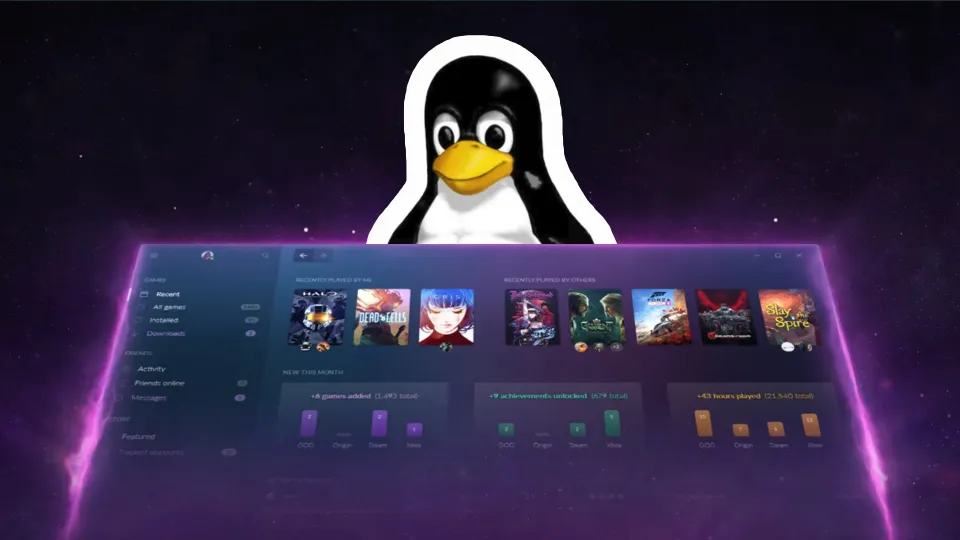
GOG has spent years selling the idea that a PC game should remain yours to install and play, even when a storefront or launcher is not around to hold your hand. That philosophy has earned a loyal audience, but GOG Galaxy has had an awkward gap: a native Linux version has not been available to users in the way the Windows client is. The company now says Linux is part of the launcher’s future.
The announcement was part of GOG’s anniversary showcase and its broader plans for a revised Galaxy experience. That makes it more substantial than an isolated job listing or a vague community reply. Still, announcing a direction is not the same as releasing a stable build. GOG has not provided a firm public day on which every Linux user will be able to install the new client.
What Galaxy actually does, and why it matters
Galaxy is GOG’s optional desktop application for managing games and, in its current form, bringing parts of a player’s library together. That is convenient for updates, installations and discovering what friends are playing. It is not a mandatory digital rights management layer for all GOG purchases. Offline installers remain central to the company’s pitch.
That distinction is especially important on Linux, where users often choose their operating system partly because they want more control over software and dependencies. A Linux version of Galaxy could simplify library management without changing the appeal of downloading a standalone installer. GOG will have to show that the two approaches can coexist, rather than forcing customers into another always-running client.
Why Steam Deck owners will be watching
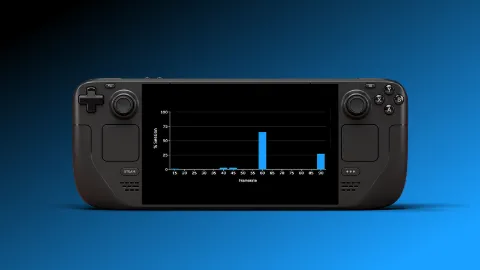
Valve’s Steam Deck has made Linux gaming much more visible to ordinary players. Yet having a game listed as compatible with Linux and having its store’s official launcher available on Linux are different problems. A native Galaxy client would make it easier to discover, download and maintain GOG purchases without leaning as heavily on community launchers or workarounds.
It would not automatically make every Windows-only game run on SteamOS. Compatibility depends on the game, its dependencies, the graphics stack and tools such as Wine or Proton where applicable. GOG has not yet published a complete Steam Deck certification scheme for the upcoming Galaxy release, so reports claiming universal support would be overstating the news.
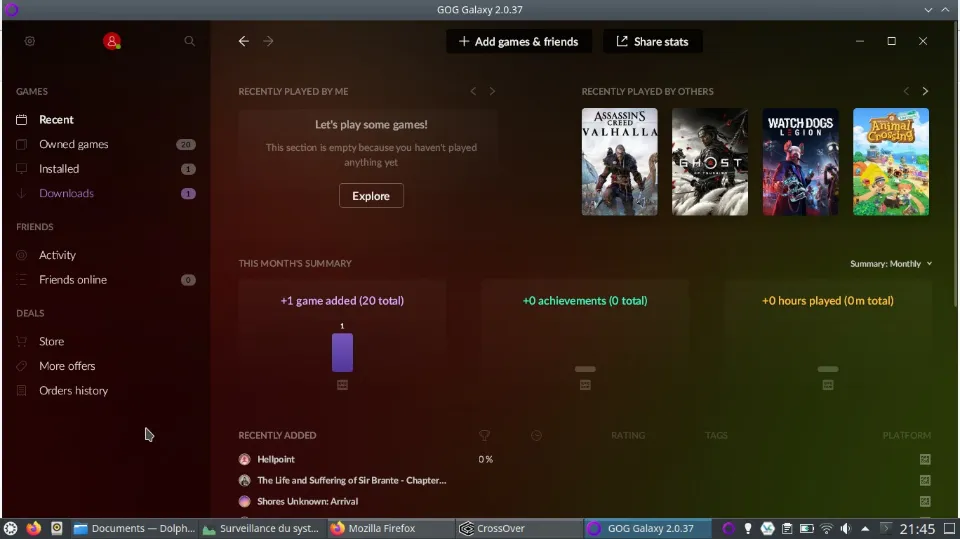
The redesign must do more than look cleaner
GOG also wants Galaxy to feel simpler and faster across supported desktop systems. That is an attractive promise because people have become fatigued by launchers that behave like small social networks before letting a game start. Faster loading, clearer install management and fewer unwanted interruptions would be practical improvements if GOG delivers them.
For Linux users, the real test will be less glamorous than a splashy reveal. Can the client install reliably across distributions? Does it manage downloads without corrupting a library? Are updates predictable, and can a player still launch an offline game if authentication has a bad day? Those are the details that decide whether software becomes part of someone’s routine.
When will GOG Galaxy for Linux release?
GOG has outlined its intention to support Linux, but a definitive launch date and publicly guaranteed list of compatible distributions have not been supplied in the announcement. Reports discussing a later rollout should be read as plans, not an appointment to mark on the calendar. The sensible next milestone is an official testing programme or a download made available on GOG’s own site.
There is a strong reason for GOG to get this right. As more players question what “owning” a digitally purchased game really means, an optional launcher and straightforward access to installers are a meaningful difference. Linux support would make that promise accessible to more computers. Whether Galaxy delivers the same ease of use on those systems is the part that still needs to be proven.