
Dragon Ball Xenoverse 3 has a lot of ways to make an attack look spectacular. Its newly detailed battle system is more interesting for the moments when a player should not attack at all. Bandai Namco is building combat around managing Ki, breaking an opponent's defences and choosing whether to call in a familiar Dragon Ball hero or temporarily fight as one. New four-player cooperative missions give those choices somewhere to matter outside an ordinary one-on-one duel.
The publisher has published an official controls and combat guide ahead of the game's planned 2027 release. It is unusually specific about what buttons do and why. That lets us distinguish confirmed mechanics from theories built around a few seconds of trailer footage. The guide also warns that elements of the interface and feature set may change before launch, so players should not treat every preview value as final balance.
Soul Assist is an ally, not another button for your avatar
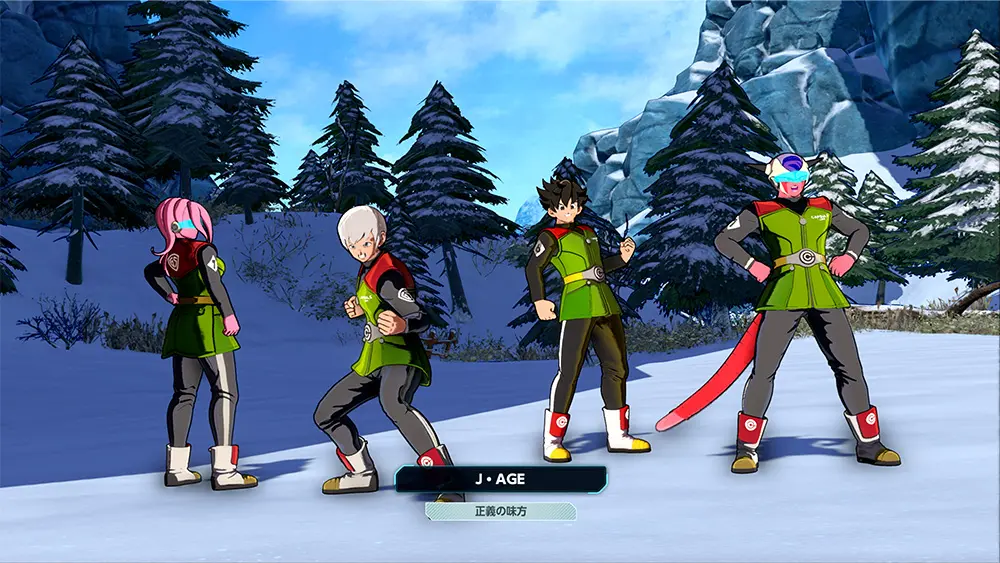
Each customised fighter has four Super Attacks, one Ultimate Attack and one Soul Assist available as gauges and cooldowns allow. Soul Assist calls in a character from Dragon Ball rather than requiring the player to switch characters. There are two classes of assistance: defensive or independent assists can help even when the player is taking damage or suffering a Ki Break; synchronised assists demand a safer opening but can deliver heavier attacks or buffs.
Up to two charges can be stored. That introduces a timing decision. Spending an assist early might turn a weak exchange in your favour, but the resource will not be ready whenever you want it. Saving both charges could give you a way out of a dangerous encounter, especially when a mission has multiple opponents. Bandai Namco says players will have a pool of 130 potential assist characters, though final availability and unlocking arrangements still deserve a launch-day check.
What Soul Switch actually does
Soul Switch is a transformation built around an equipped character's Soul. The player's fighter temporarily becomes that Dragon Ball character and gains their signature Super and Ultimate Attacks. The publisher says the ability is not limited by an avatar's race, but each build can equip only one Soul at a time. It is a more substantial change than a cosmetic aura or a familiar hairstyle.
Awoken Skills are the alternative. Players choose Soul Switch or an Awoken Skill for that part of their build, not both simultaneously. Awakening strengthens the avatar according to the race selected during character creation. It does not replace the regular attack list with another hero's techniques. Both options become important when the Potential Meter is filled, and the transformation restores health when activated.
Awoken form can continue while Ki remains available, according to Bandai Namco's current guide, but Ki Break ends it. The new Android avatar race and mentor progression systems also affect character-building possibilities. The point is to give players a decision about identity: borrow another character's abilities, or develop a stronger version of their own creation.
Why Ki Break could decide every difficult fight
Ordinary and special attacks are only part of the combat loop. A player can use guarding, Perfect Guard and attacks designed to drain Ki to pressure an opponent. Once an enemy's Ki is exhausted, the Ki Break state leaves them vulnerable. That opens opportunities for Critical Strike and Break Rush attacks, which the publisher describes as high-damage follow-ups that also accelerate the Potential Meter.
This turns defence into a resource decision. Perfect Guard can replenish some Ki, while reckless attacking may expose the player to counter-pressure. The Energy Charge action is also important: rather than dealing damage, it helps reduce the cooldown of other Super Attacks. A team that understands these interactions should have more options than four players repeatedly firing their biggest beams at the same target.
What do we know about four-player cooperative missions?
The official Dragon Ball coverage has shown four-player missions, which expands the appeal of personalised character builds. Support, survival and damage-focused choices have room to work together when a group shares a boss fight. But the exact number of launch missions, matchmaking quality, cross-platform play and regional server arrangement still need their own confirmation. None should be inferred from a mission trailer alone.
Likewise, a 2027 release window is not a firm India release day or a confirmed local price. Platform listings, editions and online-service requirements should be checked on the publisher's regional pages before any purchase guide is published. A headline can explain the combat today without manufacturing a preorder offer.
Xenoverse's appeal has always been that your fighter can enter the Dragon Ball universe rather than merely recreate the television battles. The useful question for its sequel is whether new partners, transformations and cooperative battles make those custom builds play differently. Bandai Namco has now supplied enough mechanics to ask that question seriously. We will have to play the game to judge the answer.