
The ending of an anime can be available and unavailable at the same time. In Japan, viewers have already bought tickets to Rascal Does Not Dream of a Dear Friend. In India, fans are still waiting for confirmation of when they will get a legal chance to watch the same conclusion. The difference is not a mystery in the plot. It is a gap in distribution.
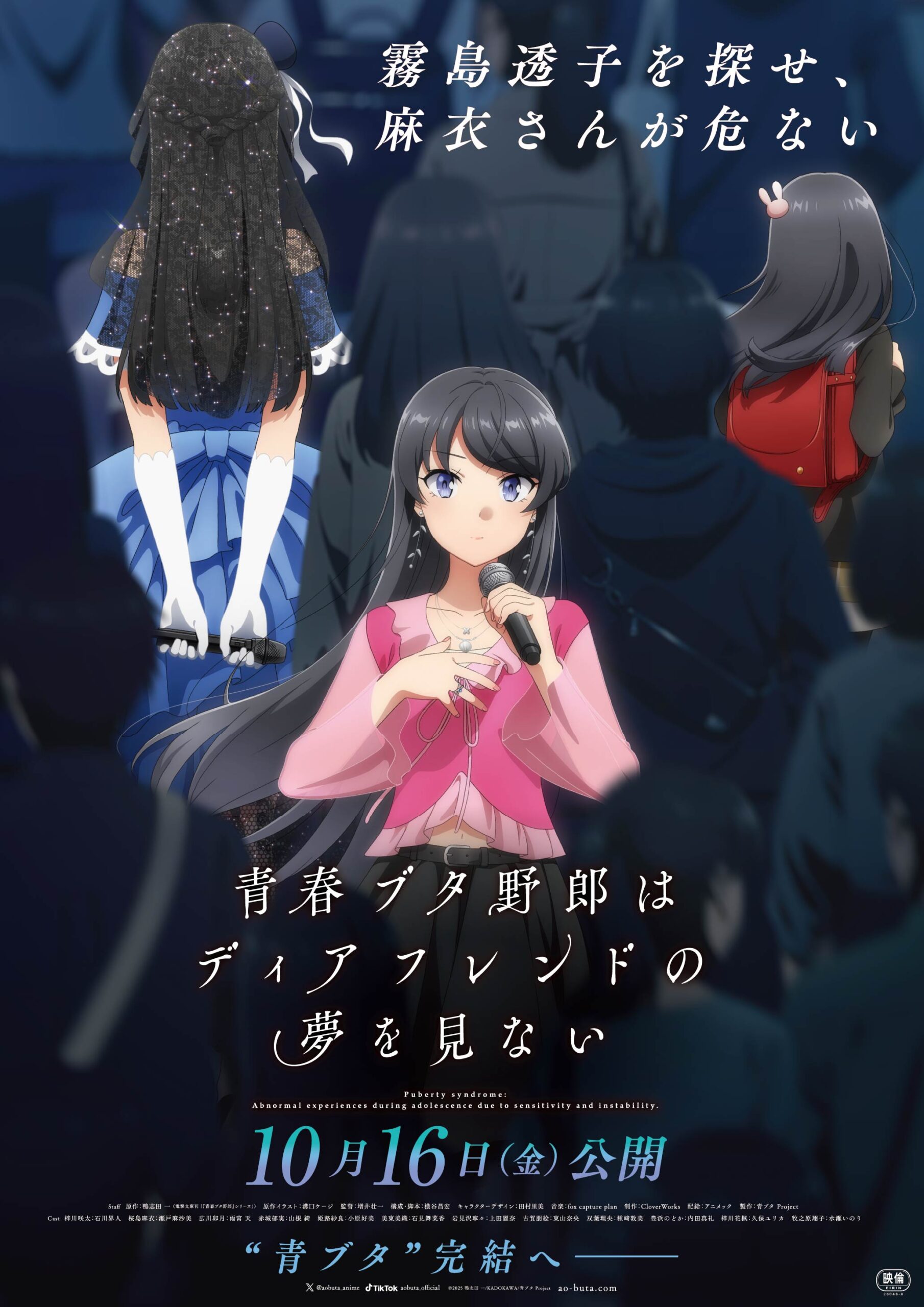
The CloverWorks film opened in Japanese cinemas on October 16, 2026, closing out the current anime adaptation of Hajime Kamoshida’s light-novel story. On October 30, release plans for February 2027 screenings in the United States, Canada and Australia became public. Australia is scheduled for February 18; US and Canadian screenings are listed for February 21, 23 and 24, with subtitled and English-dubbed presentations. No equivalent India theatrical date has been announced.
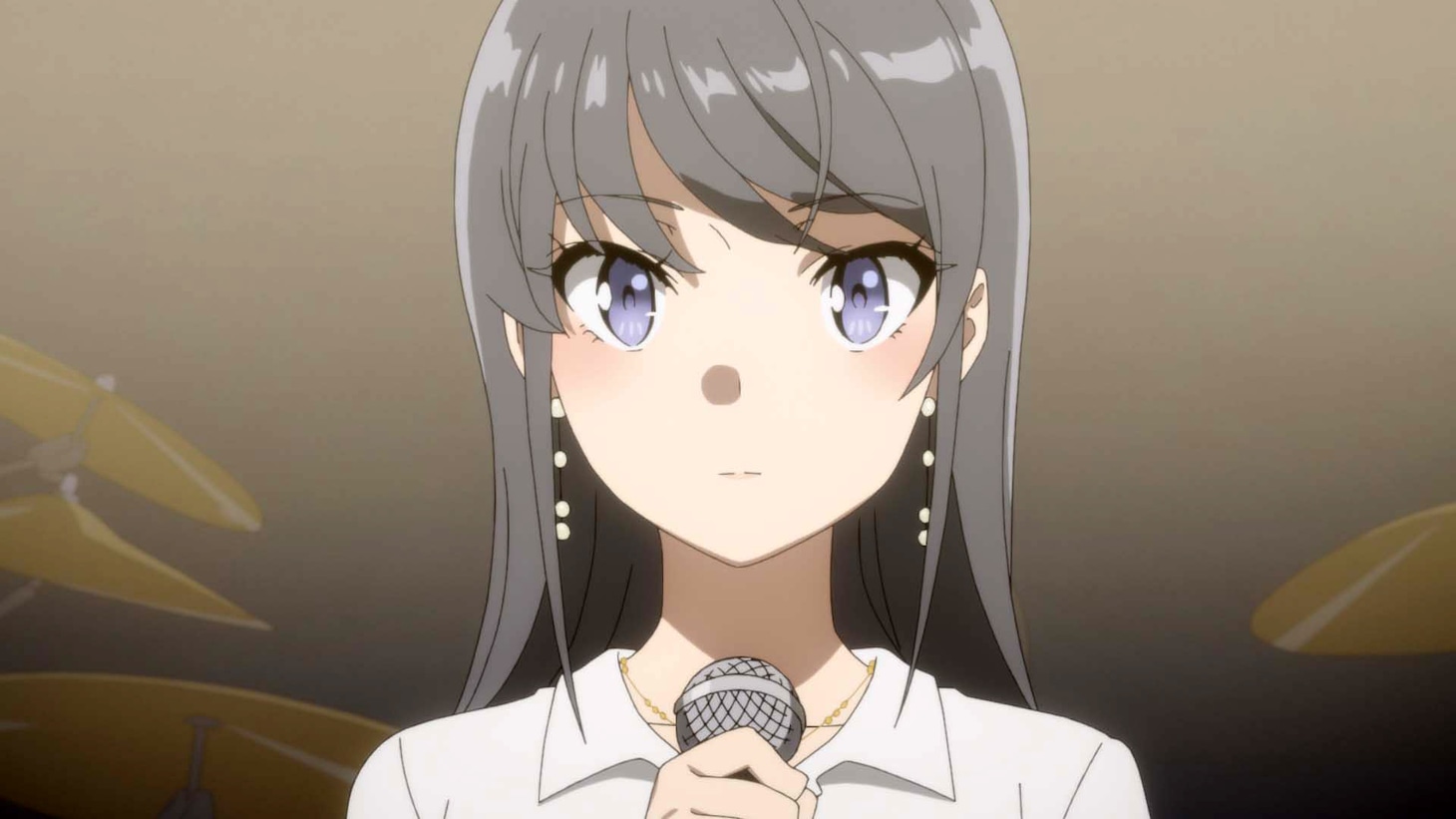
The latest footage released on October 28 shows Mai Sakurajima performing on stage. It is a smaller image than many finales choose for promotion, and perhaps a more appropriate one for a story whose best moments usually happen in ordinary places, when someone finally says aloud what they have been hiding.
A supernatural story with a very human argument
Rascal Does Not Dream has used strange, often impossible phenomena to talk about familiar problems: isolation, shame, relationships changing under public scrutiny and the difficulty of being honest with somebody close to you. The fantasy concept gives its characters an extraordinary way to express pressure they struggle to describe.
That structure depends on conversation as much as on spectacle. Sakuta Azusagawa is the kind of lead who can ask a blunt question at precisely the moment another person wants to avoid it. Mai is not simply a mysterious girl who once became invisible. She is a performer whose public identity regularly collides with her private life. Their relationship gives the series continuity even as new characters and crises arrive.
A movie-length finale has to do more than gather those characters into one poster. It needs to give their long conversation a shape that feels final without pretending that adolescence, adulthood or love can be neatly solved. The new ensemble illustration, with characters dressed in white, deliberately suggests an ending worth gathering for. The film still needs to earn that sentiment through its own scenes.
The trailer is useful. It is not the whole movie
Crunchyroll highlighted a new film visual and footage from the opening minutes on October 4. A separate special video followed on October 28, showing Mai’s onstage performance. These are genuine promotional materials from the film’s current campaign, not leaked screenshots or footage from an unrelated earlier season.
It is tempting to treat the public footage as an answer key for the ending. That would be the wrong reading of a work built around emotional reveals. Promotional videos establish tone and provide images for viewers to recognise. They do not tell us exactly how the final scenes will be staged or which character gets the last word.
The adaptation remains associated with director Soichi Masui and studio CloverWorks. These are meaningful production details because the appeal of the series relies on small changes in expression, carefully timed dialogue and characters who look like they are thinking before speaking. Those skills matter as much as the size of a cinema screen.
Why the wait is now a news story of its own
For a film that continues an established anime, an international release gap does more than delay ticket sales. It changes how audiences experience the conclusion. Fans in Japan can discuss the ending openly; those in other countries must avoid spoilers or accept learning major developments before their own screenings begin.
North American and Australian dates at least give viewers a clear calendar. The announcement does not establish that India is covered by the same distribution arrangement. A local cinema release would require its own notice, and a later streaming debut would be a separate question. Neither can be filled in by guessing from what happened with previous anime films.
The February rollout also demonstrates why it matters to distinguish a Japanese premiere from a global release. A headline that simply says “out now” is technically true in one market and useless in another. Good entertainment reporting should tell a reader which theatre they can actually visit, or admit when that answer is not available.
For now, Dear Friend exists as a completed Japanese film, a confirmed future theatrical release in several overseas markets and an unanswered date for many others. Its emotional story may be about getting an ending right. The distribution story is about letting people see it before the entire internet has told them how it goes.