
Black Forest Games has become independent again after nearly a decade inside THQ Nordic. The German developer behind the Destroy All Humans! remakes and Giana Sisters: Twisted Dreams has separated from its former owner through a management buyout and joined a newly created group called Third Signal as a founding studio. The companies say they will continue collaborating on game-development work. That means this is not a dramatic severing of every commercial relationship; it is a change in who owns the studio and who gets to decide what it makes next.
For players, studio acquisitions are easy to ignore until a familiar franchise disappears or a project changes direction. But ownership affects which projects receive funding, how much independence a creative team has and whether the studio can pursue its own ideas. The Black Forest announcement is interesting because it reverses the direction of the consolidation that defined much of the past decade in games.
What exactly happened?
Black Forest Games was acquired by THQ Nordic in 2017 and became part of the wider Embracer Group family. On November 11, 2026, the companies announced a management buyout. Its leadership is now part of the ownership structure of Third Signal, a new independent group intended to bring together developer-led studios. The announcement does not disclose a purchase price or every financial term of the transaction.
A management buyout generally means people already running an operation gain ownership, often with outside financial backing. It is different from a rival publisher simply acquiring a studio and leaving the team in place. In this case, Third Signal Ventures and Black Forest's leadership are described as co-founders of the new group. That gives the studio a more direct stake in decisions about its future.
Why Black Forest Games matters to players
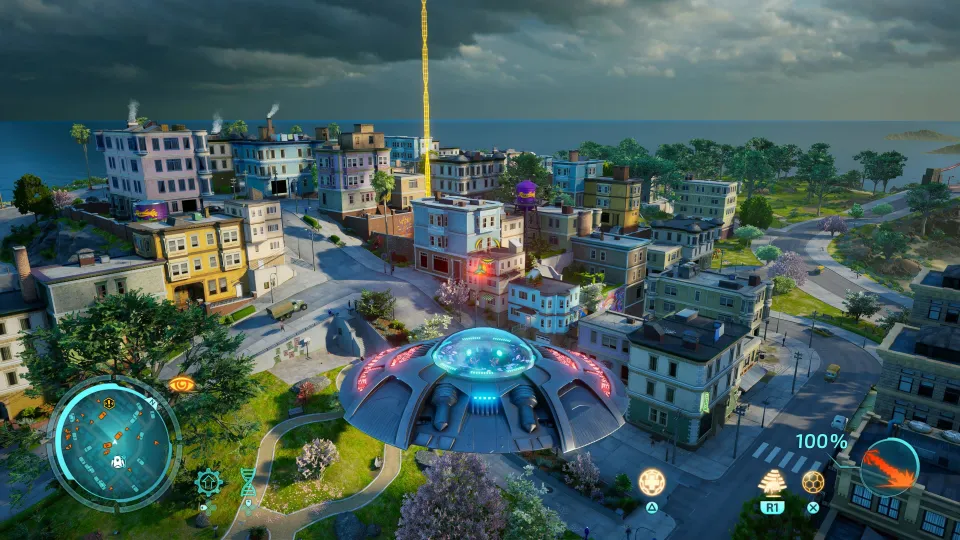
The studio's catalogue is eclectic. Giana Sisters: Twisted Dreams helped demonstrate that established characters could find a fresh audience through independent development and crowdfunding. The Destroy All Humans! remakes asked a different question: how do you rebuild games with strong nostalgic identities without making them feel like museum pieces? Black Forest also worked on Fade to Silence and other projects that were not simply obvious commercial bets.
That history is important because a studio with a recognisable franchise in its portfolio is not necessarily free to keep using the franchise after changing ownership. Intellectual-property rights, publishing agreements and future project commitments are separate from the ownership of the developer itself. Fans should not assume Black Forest now controls every series it once worked on. The two companies have explicitly said they intend to cooperate on some development tasks.
What Third Signal is trying to build
Third Signal is presenting itself as a developer-driven group, with a philosophy that smaller teams can produce valuable, distinctive work when they have the right resources and room to make decisions. That idea is appealing after years of layoffs and studio closures, but it will be tested through hiring, financial stability and the games the organisation actually finishes. Independence alone is not a business model.
There is a difficult balance to strike. A publisher can provide reliable funding, marketing reach and access to established properties. An independent studio gains potential freedom but may face more direct financial exposure. Third Signal's challenge will be to offer some of the stability of a larger organisation without recreating the constraints that its member studios hoped to leave behind.
Why this comes after a difficult period in the industry
The move arrives after a run of expensive acquisitions, reorganisations and cuts across the games business. Embracer was especially visible in this cycle, with subsidiaries affected by restructuring and cancelled projects. Black Forest itself experienced layoffs in 2024. It would be simplistic to say those events caused the management buyout, because the companies have not presented a full account of the negotiations. They do, however, help explain why creative control and ownership have become central concerns for developers.
The public announcement avoids describing THQ Nordic as an enemy. Black Forest's management thanked the company and Embracer for the years of work together. That suggests the separation may be designed to preserve useful relationships while allowing the studio to make different long-term choices. This is a more plausible reading than imagining the team walked away with every franchise and an unrestricted budget.
What happens to existing and future games?
The immediate answer is that Black Forest continues operating and remains available for collaborative development work. The company has discussed new creative plans, but the announcement is not a detailed roadmap of game titles, platforms or release dates. A logo and an ownership structure do not substitute for a game announcement. Anyone looking for confirmation of a new Destroy All Humans sequel will have to wait for a specific statement from the rights holders.
Still, the decision is noteworthy. The industry's future does not have to be a choice between giant publishers and tiny studios struggling alone. Groups such as Third Signal are attempting another arrangement, where experienced teams share support without surrendering their identity. Whether that works will not be decided by a press release. It will be visible in the games Black Forest is able to make, the people it can retain and the creative risks it is willing to take.