
A developer spends years making an original game, puts out a demo to find players and then hears a threat: pay money or someone will use AI to release a copy first. That was one of the fears raised directly to Valve during Steam Indie Connect in South Korea on October 27. The response says a lot about the pressure facing small studios on the world's biggest PC storefront.
Valve says copying games is not a new problem, that AI makes it easier and that it does not want to ban the tools developers choose to use. It advised studios to build a community and keep improving the original game. But for a small developer worried about a clone appearing before launch, good advice is not the same thing as a platform safeguard.
What happened at Steam Indie Connect?
Tom Giardino and Marc Wilkinson from Valve's Steam business team spoke with Korean developers at the event, which was organised with the Busan Indie Connect Festival committee and the Korea Creative Content Agency. The most detailed account comes from Inven Global's October 27 report, which describes a question from a developer about emails threatening AI-assisted game copies unless money was paid.
That threat was reported by an attendee, not presented as a criminal case independently established by ByteMedia. The report does not identify verified senders, amounts demanded or how many studios received such emails. Valve's response should not be read as proof that a particular game has already been stolen or a new policy has been introduced.
Giardino said Valve would be willing to examine reports brought to the company, while recognising that extortion is also a law-enforcement matter. He rejected the idea that Steam should generally decide which development tools studios may use. His broader point was that creators need to make their games worth choosing over imitations, through a distinct identity, a trusted community and updates that go beyond one copyable mechanic.
The problem with telling creators to 'just make a better game'
That advice has some truth. Fans who follow a studio's progress are more likely to recognise a copycat, and regular improvements can make a knock-off fall behind. But a community cannot always stop somebody from copying screenshots, art, a store-page concept or an unusual mechanic before a small team's launch.
There are different problems being mixed together here. A game taking inspiration from a genre is not automatically an illegal clone. Reusing someone else's protected assets or impersonating a game can be a much more serious issue. Threatening to copy a title unless the developer pays is a separate allegation of extortion. The technology used to make the clone does not make all three cases identical.
For Indian independent studios trying to find international customers, this distinction matters. Steam is an opportunity because a small release can reach players worldwide. It is also crowded enough that an unknown team can struggle to tell potential buyers which game is genuine. A clear developer identity, original screenshots and good reporting channels help, but responsibility cannot sit only with the people being copied.
Why Steam Next Fest can feel full of weak demos
A second question at the event concerned the number of low-effort games appearing during Steam Next Fest, including games critics describe as AI-generated filler. Wilkinson explained that the festival's opening two days show participating games in a largely random way before stronger personal recommendations take over. The early exposure is meant to stop established studios from dominating visibility immediately, but it can put unpolished projects in front of players.
The trade-off is understandable. If Steam shows only games that already have attention, unknown developers will never get a chance. If it gives everyone an initial shot, players will run into projects they find unfinished, copied or simply poor. Valve acknowledged the complaint, according to Inven, but did not announce a new AI ban, a firm enforcement deadline or a specific fix at the event.
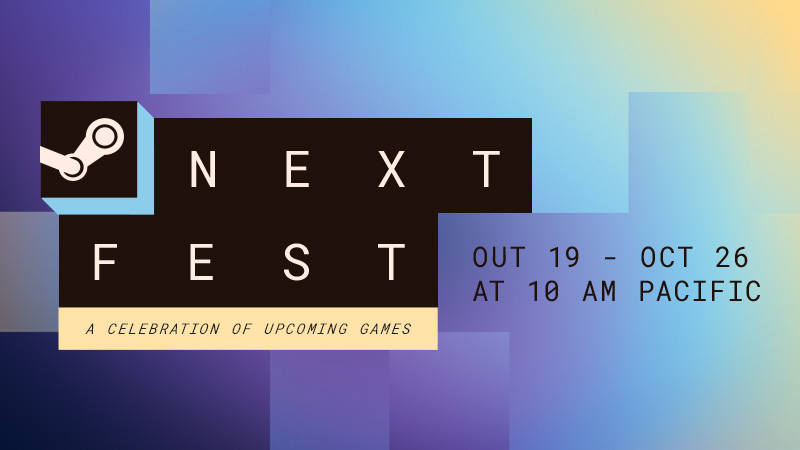
The size of the problem has changed. Next Fest now handles thousands of demos rather than the much smaller line-ups Valve used to promote. With that volume, the way Steam sorts and recommends games can matter as much as the quality of any single trailer. The company prefers improving discovery rather than closing its doors to new developers, but this choice creates its own burden for players and studios.
A Steam wishlist is useful, but it is not the ranking switch
One of the clearest takeaways from the discussion had nothing to do with AI. Wilkinson said wishlists are a measure of marketing interest, not a direct input that makes a game appear higher across Steam. He pointed instead to buying and playing activity as the signals that drive real exposure. A developer chasing a huge wishlist number may learn less than one watching which trailer, demo or creator video actually brings interested players back.
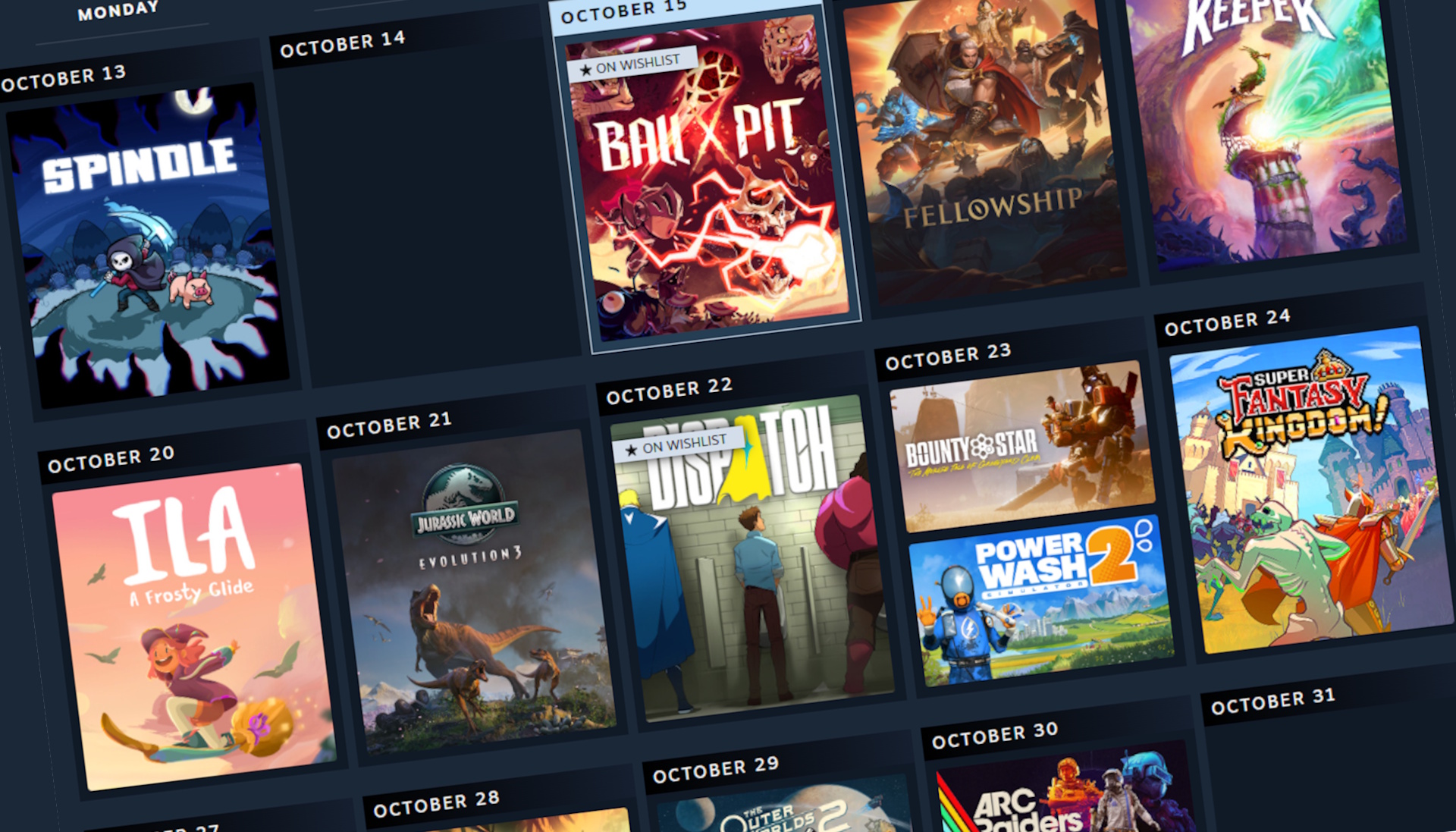
Valve has also rolled out the Steam Personal Calendar, which moved out of Steam Labs on October 23. Its official announcement explains that it draws on players' recent game habits and the interests of people with similar play patterns to suggest new and upcoming releases. Valve says placements are algorithmic, not sold to studios. That can make discovery better, but it still means smaller games must make a clear first impression.
This is useful for players too. A low wishlist number does not automatically mean an upcoming game will be bad; a large number does not guarantee it will be good. Following a developer, trying a demo and looking for real updates provide a better picture than a single public hype metric.
What changes now, and what has not changed?
The October 27 Q&A was a candid discussion, not a Steam policy launch. Valve has not promised a blanket AI-content ban, changed the rules of copyright law or created a public system that guarantees early clones will be removed before release. The reported threats remain allegations that need individual evidence. Studios should preserve any threatening messages, use Steam's reporting channels and contact relevant authorities if they face extortion.
The larger question is whether Steam can keep its open marketplace and still help original games get noticed before imitation and noise drown them out. Better recommendations may help buyers find worthwhile demos. But for the developer taking the risk of releasing something unusual, discovery and protection are not the same problem. Valve's next meaningful move will be measured by what changes on the storefront, not by how sympathetic the conference answer sounded.