

A game can belong to Tencent without ever showing its name
Open VALORANT, Clash of Clans or PUBG Mobile and you are entering three different worlds. One is a tactical shooter made by a studio in Los Angeles. Another is a mobile strategy game from Finland. The third grew from a Korean battle royale into a worldwide mobile phenomenon. Yet Tencent has an important place in all three stories. The reason is not that it invented all of them.
The Chinese technology company built something bigger than a traditional publisher. It can own a studio, back one with money, develop a game for another company or publish a title under a name most players do not connect to Tencent. That is why viral pictures claiming Tencent "owns the internet" are both tempting and wrong.
The better question is this: How did a company best known for a chat app become so deeply involved in the games we play? The answer runs from small payments for online avatars to multibillion-dollar deals, huge esports events, Indian creators and governments that can still stop the whole machine.
It started with chat, not games
Tencent was founded in Shenzhen in 1998. QQ arrived in 1999 and gave young internet users in China a way to talk, make friends and build an online identity. The company soon found that people would pay small amounts to change how they appeared online. Memberships, virtual outfits and other digital extras helped turn attention into a business. Tencent’s own company history tracks the launch of QQ Games to 2003.

This may sound ordinary now. It was not ordinary in the early 2000s. Tencent had already learned how people behaved in online communities, how they spent on digital items and how to keep them coming back. That experience later became useful for free-to-play games where the relationship with a player can last for years.
Tencent went public in Hong Kong in 2004. In its earliest years it also relied on foreign funding, including an investment from South African media company MIH. There is an irony here: the company later famous for buying stakes in developers first grew with help from somebody else’s capital. The lesson appears to have stuck. It did not need to build everything itself.

The Riot deal changed the scale of Tencent’s ambitions
The first deal that really explains Tencent’s modern gaming empire was Riot Games. Tencent had already backed the American developer before League of Legends became an esports giant. In February 2011, it paid about $231.5 million to increase its Riot stake from 22.34% to 92.78%. Riot became a Tencent subsidiary, while its own team continued to run the studio. Those numbers come from Tencent’s 2011 financial disclosures. Tencent bought the remaining outside equity in 2015.
Look at what Riot became after that: League of Legends, the Worlds championship, VALORANT, Teamfight Tactics and Wild Rift. Not every project was a success. But the company built long-running games and global communities, with esports acting as far more than a one-week marketing campaign. A player watching a Worlds final may not think of Tencent for a second. Financially, however, Riot sits inside its empire.

The crucial part of this story is what Tencent did not do. It did not make players install "Tencent League of Legends" or erase Riot’s identity. It preserved a brand that already meant something to its audience. This is a recurring theme across its biggest acquisitions: ownership of the business does not have to mean replacing the people or the logo.
VALORANT also shows that Tencent’s success can move in both directions. It started as a Riot game made for a global PC audience, then became part of Tencent’s domestic growth story as the franchise expanded in China. In its 2026 reporting, Tencent specifically credited VALORANT PC and Mobile among the titles helping domestic gaming revenue. Read Tencent’s latest interim report.

Supercell showed why Tencent would pay billions to leave a studio alone
In 2016, a Tencent-led group agreed to spend about $8.6 billion to take control of Supercell, the Finnish company behind Clash of Clans and Clash Royale. Think about the size of that cheque. It was not paid for a new console or a social platform. It was paid for a studio whose mobile games had already shown the value of keeping players invested over many years.
Supercell’s games are easy to recognise and hard to replace. A Clash of Clans village can represent years of work. In Clash Royale, the familiar cards and short matches can turn a casual player into a competitive one. Brawl Stars added another large community. Tencent gained exposure to those businesses without forcing every decision through Shenzhen.
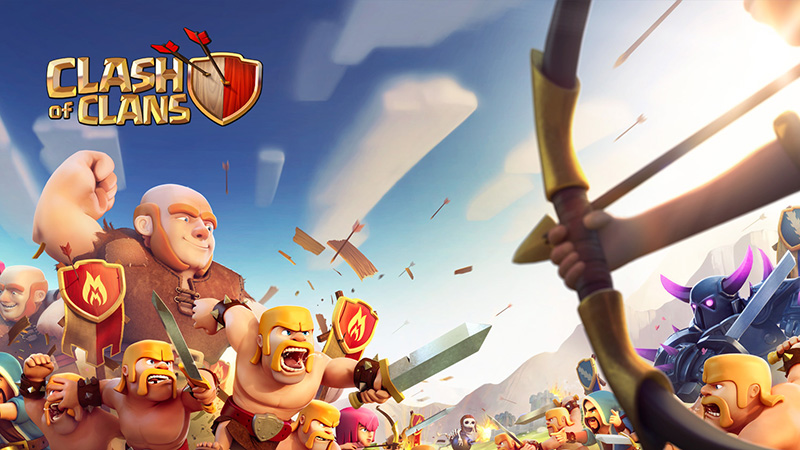
There is a business argument behind that freedom. A developer is not simply a building full of staff. Its value can lie in how small teams make decisions, test ideas and know when a game is not working. Supercell still cancels projects. Squad Busters, for example, did not achieve the lasting success the company wanted. Being inside Tencent does not mean every new title is guaranteed to work.

In 2025, Supercell brought in around €2.65 billion in annual revenue, according to Supercell’s own annual update. That is a company-wide figure, not a verified revenue number for Clash of Clans or any single Supercell game. The distinction matters: a famous franchise may be worth a fortune without its owner publishing its exact monthly sales.
Epic Games explains the other half of the strategy: invest without taking control
Tencent put about $330 million into Epic Games in 2012. The deal represented roughly 40% of Epic on a fully diluted basis at the time. Epic was not sold to Tencent. Tim Sweeney and Epic continued to control the business. By 2026, reporting on U.S. scrutiny put Tencent’s diluted interest at roughly 28%. This is why saying "Tencent owns Fortnite" is incorrect.
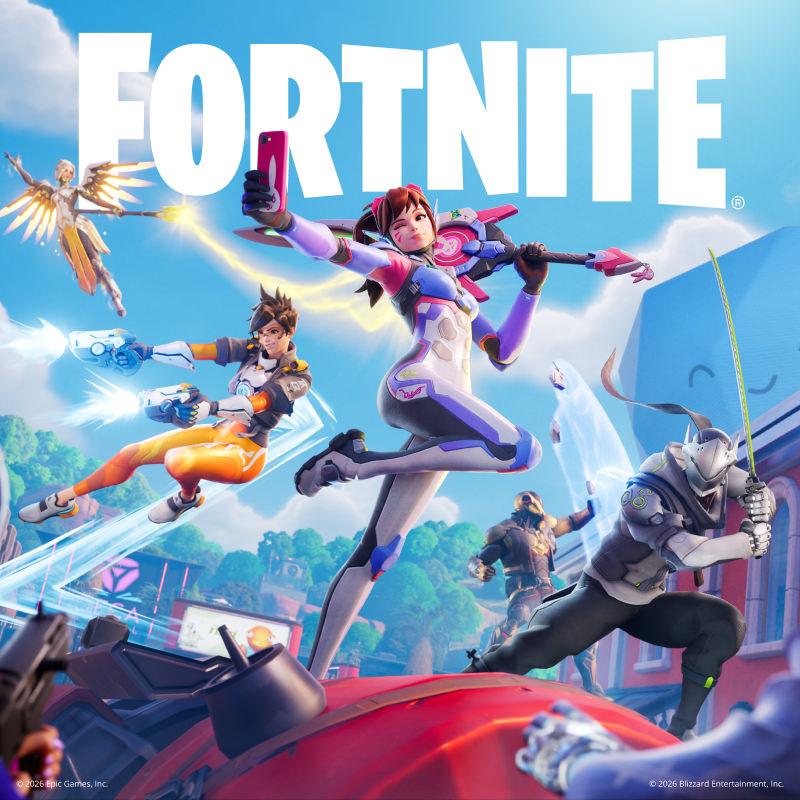
Epic is more than Fortnite. Unreal Engine helps developers build games across the industry, and the Epic Games Store sells games from many publishers. A stake in that kind of company offers a different opportunity from buying a game studio outright. Tencent gets financial exposure to a valuable business even when it does not run that business.
The limit was made clear in December 2024. After U.S. antitrust concerns, two Tencent-appointed directors resigned from Epic’s board, and Tencent gave up its unilateral right to appoint Epic directors or observers. The U.S. Justice Department’s statement was about overlapping board influence involving competitors, not a finding that Tencent had illegally acquired Epic. Ownership, influence and control are three different things.
There are far more names than Riot, Supercell and Epic
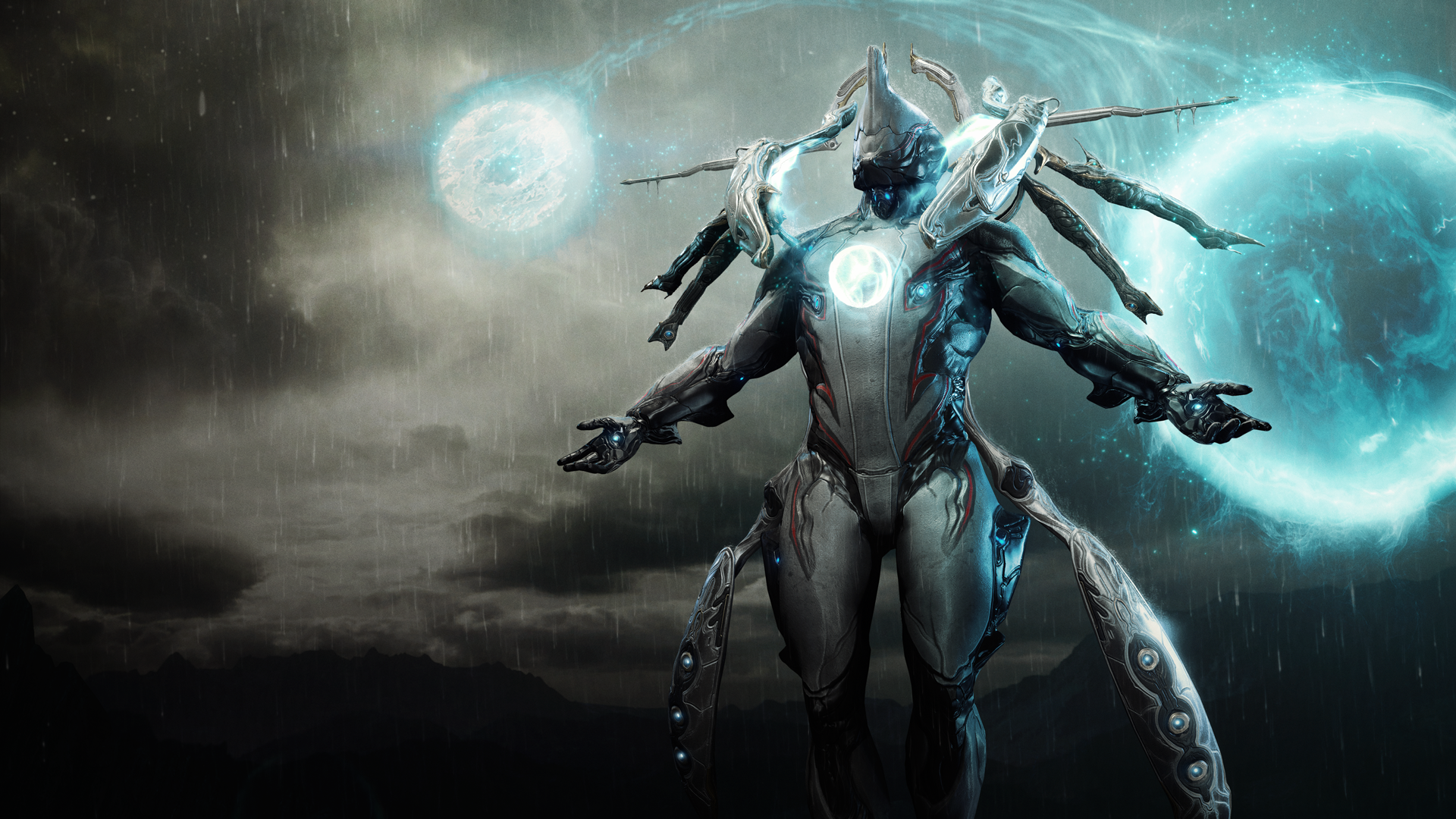
Tencent also acquired UK-based Sumo Group, took control of Funcom, bought Turtle Rock Studios through its parent company and acquired Leyou, the group that included Warframe developer Digital Extremes. These were not all the same kind of deal. Some involved full ownership. Others placed a studio inside a larger holding-company structure. The price of a deal matters less to players than whether it changes the games and teams they care about.
Then comes Ubisoft, an especially good example of how this business works. In November 2025, Tencent completed a €1.16 billion investment in Vantage Studios, the Ubisoft-controlled business built around Assassin’s Creed, Far Cry and Rainbow Six. Tencent received 26.32%; Ubisoft retained exclusive control. The exact ownership and control terms appear in Ubisoft’s completion announcement.
That is a significant position in three of gaming’s largest franchises, without buying the company that owns them. It is a reminder that investors do not need the whole building to benefit when part of it succeeds.

Tencent’s gaming network is only one part of its investment record. It also supplied capital to Reddit, Discord, Spotify-related companies and Snap. The dates, sizes and voting rights of those positions matter. We need to follow the money rather than treat every familiar internet logo as a Tencent subsidiary.
The quieter story: the apps you use also received Tencent money
There is another reason Tencent rarely feels like a single company. Its best-known gaming stakes are only part of the picture. The same investment habit reached the apps people use to organise communities, share music, watch clips, shop online and talk about games. This is where the words “owns the internet” start to sound plausible, even when they are not accurate.
Tencent itself gave a remarkable number in 2020: the company had invested in more than 800 businesses, of which over 70 had gone public. Tencent president Martin Lau described this in an official account of its investment strategy, also reported by Reuters. The statement is six years old. It describes cumulative investments by that time, not 800 companies still owned in October 2026. Some businesses were sold, diluted, reorganised or failed. Treating that old total as a current ownership register would be misleading.
But why invest in so many unrelated fields? Tencent’s thinking was to be close to places where people spend time and money. Games were one answer. Social networks, online shops, payments, and technology used by creators were others. The company was no longer betting everything on the next hit. It was investing in the people and platforms that might help build the next decade of the internet.
Reddit: a $150 million investment in the front page of the internet
Reddit is a useful place to start because gamers know it intimately. Guides, patch complaints, esports rumours, lore discussions and entire fan communities live inside its forums. In February 2019, Tencent led a Reddit funding round and invested $150 million of the $300 million raised, at a reported $3 billion company valuation. The deal attracted arguments about free speech because Reddit was blocked in China at the time. Those concerns were real reactions to the funding, but the investment alone does not establish that Tencent controlled Reddit’s moderation or editorial policy.
Reddit went public in 2024. Public-company ownership changes as investors trade and companies issue shares, so the $150 million invested in 2019 is not a current ownership percentage. Tencent was an investor, not Reddit’s parent. That distinction does not make the investment unimportant. It shows how far from games Tencent was willing to look for communities built around the same things that make gaming valuable: identity, conversation and loyal users.
Discord: Tencent bought a small place at the table, not your servers
For millions of players, Discord is where the actual gaming session begins. Friends join voice chat, organise scrims, share clips and stay together long after a match. Tencent was among the participants in Discord’s December 2018 $150 million funding round, which was led by Greenoaks Capital. TechCrunch’s report names Tencent alongside several other investors. The $150 million was the total round, not the amount Tencent alone contributed.
Discord did not become a Tencent subsidiary. The original report did not disclose Tencent’s individual contribution or percentage, and a reliable current ownership figure is not established by those funding headlines. Nor does an investment automatically give a shareholder the right to read users’ private messages. Those are entirely separate claims requiring evidence. The significance is simpler: Tencent was willing to put money behind the communication tool that had become essential to online play.
Spotify and Snap: the same strategy outside games
Music shows how these deals can work in both directions. In December 2017, Spotify and Tencent-related companies agreed to cross-invest in one another. Spotify acquired a minority position in Tencent Music Entertainment; Tencent Music and a Tencent affiliate took minority positions in Spotify. Spotify described the transactions in its subsequent SEC filing. It was a financial and strategic link between two music ecosystems, not Tencent buying Spotify or taking control of its playlists.
Snap is another example. In November 2017, Tencent acquired 145.8 million non-voting Class A shares in the company behind Snapchat, equal to roughly 12% at that time. Non-voting matters: the size of an economic stake does not tell you how much power its owner has over the business. It also tells us little about the percentage left after nearly a decade of capital-market changes. Tencent invested in the future of camera-led social media without becoming the owner of Snapchat.
India appears in this wider network as well. Tencent bought a 0.72% stake in Flipkart from co-founder Binny Bansal in a transaction reported in 2022 at approximately $264 million. Flipkart remained a Walmart-controlled business. For India’s gaming audience, this is a reminder that Tencent’s links to the country have never been limited to PUBG Mobile or the next launch from Level Infinite.

This is why Tencent’s Metaverse, a widely shared 2020 investment diagram, is both fascinating and dangerous when read literally. It puts gaming, music, social media, e-commerce and digital tools on the same page. But it also combines Tencent-owned products, minority investments, historical partnerships, companies controlled by others, and brands with no verified Tencent equity link. The graphic illustrates a theory about the future of the internet, not a certified list of Tencent subsidiaries. The original analysis is Packy McCormick’s Tencent’s Dreams.
Look at those logos and the real business idea emerges. Tencent does not need to own every game, chat server, storefront and creator platform. A small stake in a company that becomes central to online life can sometimes be more attractive than buying an entire business and having to run it.
The quick ownership check: what belongs to Tencent and what does not
- League of Legends and VALORANT
- Developed and operated by Riot Games. Riot is controlled by Tencent. Clash of Clans, Clash Royale and Brawl Stars: Made by Supercell, a Tencent-controlled company. Honor of Kings: Developed by Tencent’s TiMi Studio Group and published internationally through its global network.
- Fortnite
- Owned by Epic Games, where Tencent is a minority shareholder.
- Call of Duty Mobile
- Developed by TiMi with Activision; Tencent does not own the Call of Duty franchise.
- PUBG Mobile
- Tencent has been central to mobile development and global publishing, but the underlying PUBG property comes from Krafton’s franchise
- BGMI
- The Indian edition is a Krafton-published product, not Tencent’s Indian PUBG Mobile comeback.
- Assassin’s Creed, Far Cry and Rainbow Six
- Belong to Ubisoft’s ecosystem ; Tencent owns a minority economic interest in Vantage Studios, while Ubisoft remains in control.
- Reddit, Discord, Spotify and Snap
- Documented investment relationships, not Tencent-controlled services
This is not a technical footnote. It changes how people should talk about a publisher’s power. A company that designs a game can make different decisions from an investor who only owns a slice of it.
The company behind the companies has its own development machine
Tencent’s internal developers matter as much as its overseas investments. TiMi Studio Group makes Honor of Kings and has worked on Call of Duty Mobile and Pokémon UNITE with partners. LIGHTSPEED STUDIOS is closely associated with PUBG Mobile and a wider collection of games. Other teams include MoreFun and Aurora. These are internal development groups, not independent stock-market companies.
Then there is Level Infinite, launched in 2021 as Tencent’s global publishing brand. Its work can cover launches, localisation, community, marketing, operations and support for developers. This distinction matters when a game advertises Level Infinite on its store page. The developer, intellectual-property owner and publisher may all be different companies.
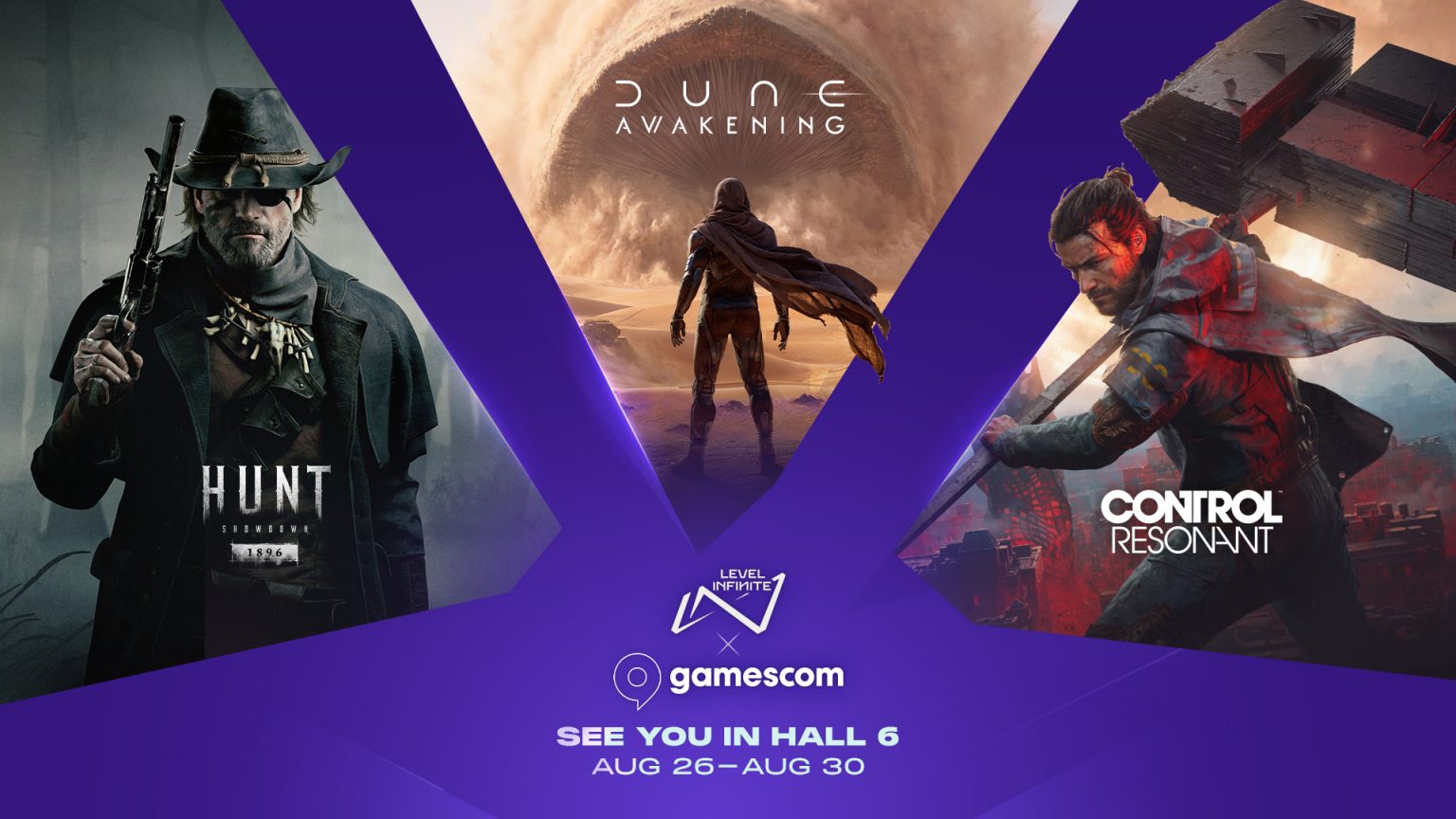
The strategy was on show at gamescom 2025 in Cologne. Tencent Games presented more than a dozen games from its own developers and partners, including Delta Force, Fate Trigger, PUBG Mobile and Honor of Kings: World. Players encountered the titles in separate booths while Tencent promoted the technology and publishing structure behind them. Tencent’s official show report describes the range of games and its publishing partners. Those are not all Tencent-owned intellectual properties.

The following year Tencent went even larger. Its gamescom 2026 programme placed playable games in a consumer booth and tools such as anti-cheat systems, voice, testing and AI-assisted production in a separate business space. The public line-up ranged from Honor of Kings: World and Honor of Kings: ACE to Rust Mobile and Animula Nook. The event makes the investment story concrete: one company can fund studios, publish games, demonstrate shared technology and build relationships with other developers in the same hall.

Picture the chain: one group develops the game, Level Infinite helps publish it, Tencent’s technology can support the service, and the parent company takes part in the economics. In other cases Tencent is only an outside investor and cannot make day-to-day decisions. The real reach lies in how many of these roles Tencent can play.
The numbers: gaming is big, but Tencent is bigger
Tencent’s second-quarter 2026 results put the whole story in perspective. Total revenue was RMB204.8 billion for the three months ending June 30. Domestic Games contributed RMB47.3 billion, and International Games RMB18.6 billion. Combined, that is about RMB65.9 billion, or 32% of quarterly company revenue. These figures come from Tencent’s 2026 interim financial disclosures.
Tencent Q2 2026, in brief: Total revenue RMB204.8bn | Domestic Games RMB47.3bn | International Games RMB18.6bn | Combined gaming revenue RMB65.9bn | Gaming share of company revenue approximately 32%. The figures cover company revenue, not the retail value of every game Tencent has invested in.
The rest of Tencent’s business is a reminder that the company is not simply collecting game studios. Weixin and WeChat had about 1.439 billion combined monthly active users at the end of June 2026, while mobile QQ had about 520 million. Tencent also makes money through advertising, payments, business services, cloud technology and entertainment.

One number should be treated especially carefully: Tencent does not provide a clean audited quarterly split of all gaming revenue into mobile, PC and console. It also does not publish fresh audited sales for every title in its portfolio. Sensor Tower, AppMagic and similar firms can estimate player spending, but those estimates are not the same as revenue recognised in Tencent’s accounts. And adding Fortnite’s sales to Tencent’s revenue would be wrong because Epic is not a controlled subsidiary.
The reason games remain valuable is not just first-week downloads. A strong game can earn revenue over a decade, support tournaments, create work for content creators and introduce a studio’s next project to millions of players. The same logic explains why Tencent has been willing to spend so much on teams with proven communities.
India is where Tencent’s reach meets the real world
India has seen both sides of this story. PUBG Mobile helped turn mobile battle royale into a mainstream gaming habit. Then, on September 2, 2020, the Indian government blocked PUBG Mobile alongside other apps on security grounds. No amount of reach or spending could make Tencent immune to that decision. Krafton later built its own India-specific BGMI publishing operation. These are connected histories, but they are not the same product or the same publishing arrangement.
In 2026, Tencent’s international publishing network has a much more visible presence in India. Honor of Kings officially arrived on March 11, as confirmed in the India launch announcement, giving TiMi and Level Infinite another direct route to Indian players. The game has its own competitive plans and communities rather than simply riding on PUBG Mobile’s legacy.

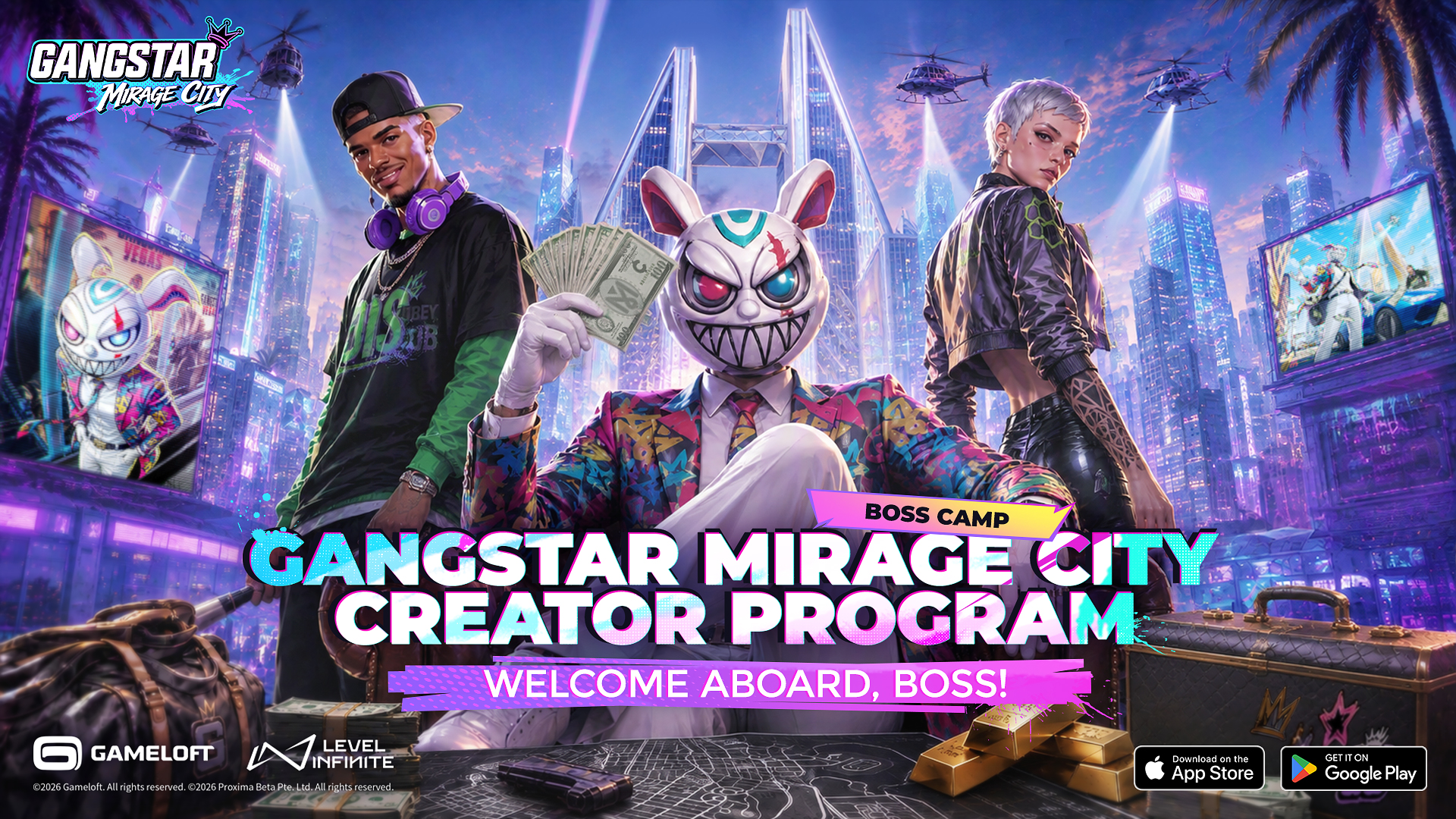
An even clearer example is Gangstar Mirage City. The game did not remain a pre-registration promise: Level Infinite confirmed it went live on August 20, 2026 in a regional soft launch covering South Asia, including India, along with several other regions. The free-to-play mobile game is based on Gameloft’s Gangstar franchise. It offers open-world exploration, co-op heists and activities such as taxi work, street fights and player-made videos. It has also been listed on Google Play.

Its Indian rollout was not quiet. Techno Gamerz uploaded a first-day video on August 23 and followed it with another episode on August 30. Other Indian creators including Lokesh Gamer, GW KARAN and White Spirit Gaming published launch or event-focused videos according to their public listings and campaign-tracking material.
The Techno Gamerz launch video directed viewers to download the game and linked its India-focused official social accounts. That is more convincing evidence of a local launch push than a vague claim that Tencent is interested in India. The company also promoted an official Gangstar creator programme with cash and in-game rewards and support for creator visibility. We should not invent sponsorship fees or say every upload was paid: private deal terms have not been verified.
This is the larger lesson for a publisher entering India. A game can have a strong global brand and still need Hindi-language storytelling, familiar creators, community events and local support to reach an audience. Tencent can supply the publishing infrastructure. Indian creators help explain why a new release deserves attention in the first place.
Tencent also lists a Gurgaon corporate location on its public offices page. The more meaningful story today is its presence through the games, publishing operations and creator programmes players can actually see.
The rule Tencent cannot buy its way around
The biggest challenge to a global gaming empire is that governments do not share one rulebook. China has imposed strict limits on the hours minors can play online, introduced approval controls and challenged certain ways games make money. When new rules arrive, Tencent is exposed because so much of its business depends on keeping games operating legally inside China.
In 2018, an approvals freeze and wider policy pressure helped erase enormous amounts of Tencent’s market value. In late 2023, another proposal covering online gaming rewards and monetisation drove a sharp fall in the company’s shares. These were broader regulatory shocks, not the result of one unpopular release. India’s PUBG Mobile restriction was another reminder that market access is never permanent.
There is scrutiny outside Asia as well. U.S. antitrust officials raised concerns about Tencent-linked board seats at Epic in 2024. U.S. national-security officials have also examined its gaming investments, with public reporting in 2026 focused on companies including Riot, Epic and Supercell. Scrutiny is not proof that any company misused player data. But it makes clear that a gaming investment can become a political issue when technology, data and national borders collide.
Pokémon UNITE is closing. That does not mean Tencent is collapsing
On October 27, 2026, the team behind Pokémon UNITE announced that service would end on March 23, 2027, including on Nintendo Switch and mobile. This is a meaningful loss for a game developed in partnership with TiMi and a hard announcement for its community. The official shutdown notice provides the timetable, including the end of new Aeos gem sales.

There is no solid evidence that this shutdown wiped a trillion dollars from Tencent or that a broken contract caused it. That kind of claim mixes up a game shutdown with separate stock-market events. Tencent reported approximately RMB56 billion in shareholder-attributable profit in Q2 2026 alone. The comparison does not make the loss unimportant to players. It means the financial effect of one title should not be invented.
Failures are part of the portfolio. Tencent has supported hits that last for a decade, investments that changed direction and studios whose weaker projects were cancelled. It can lose a game and still have several more successes paying for future development. A smaller independent studio does not always have that protection.
The empire is not one giant studio. That is the point
For players, the biggest difference between Tencent and an ordinary publisher may be how often Tencent appears in the background. It can be the owner behind the developer, the investor behind the store, the partner behind a mobile adaptation or the publishing company helping a game enter a new country. Sometimes it has real control. Sometimes it has little more than a financial stake. If we ignore those differences, we misunderstand who can actually decide the future of a game.
The next decade will test whether this approach remains an advantage. Studios still need space to make good games. Publishers still need local audiences. Regulators are increasingly sensitive to big technology networks. And players have little reason to care about any corporate empire if the game itself is not worth playing.
Tencent started with a chat window, learned the value of online communities and used that knowledge to build a network that touches much of modern gaming. It does not own everything. It is powerful because it has learned how to matter without always being the owner.


