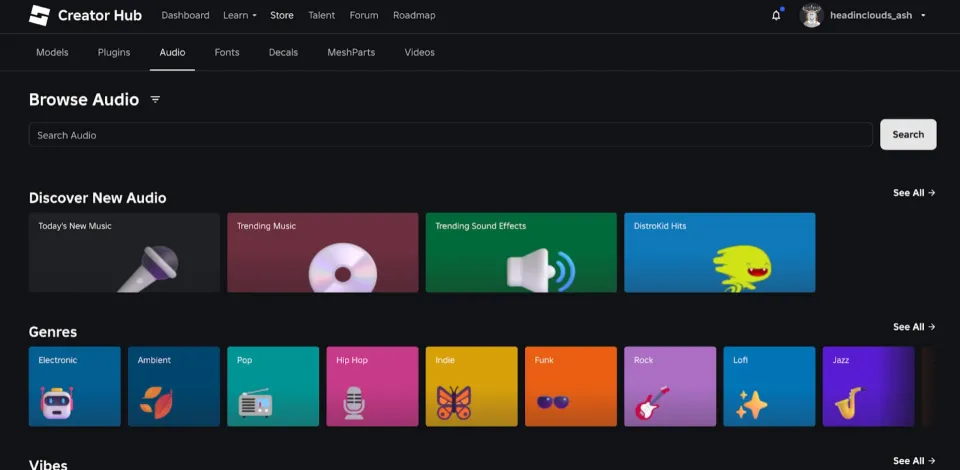
For a Roblox developer, choosing music can be more complicated than choosing a sound that suits the game. A track may be easy to find online but still require permission for interactive use. The platform’s newly reported deal with PRS for Music addresses a different part of that problem: paying represented songwriters, composers and publishers when their music is used on Roblox.
Music Business Worldwide and Music Week reported the agreement on November 25. PRS expects to begin distributing royalties in 2027. The financial terms of the deal and the exact payment calculations have not been established in the available reporting.
What PRS for Music brings to the agreement
PRS for Music administers rights on behalf of songwriters, composers and music publishers. Music licensing is not a single permission covering every possible recording and use. The composition, its recording and the manner in which it is used can involve different rights and different organisations.
That distinction matters on a platform made up of user-created experiences. Music can be part of an obstacle course, a social space, a rhythm game or a virtual event. A licensing relationship gives the platform and represented rights holders a more formal route to address eligible uses and compensation.
What developers should not assume
The announcement is not a blanket invitation to upload any song from Spotify or YouTube into a Roblox experience. A creator still needs to follow Roblox’s audio policies and check the permissions associated with the asset. A composition covered by a collecting society does not automatically confer every right to use a particular commercial recording.
There is also no published individual payout estimate in the reports reviewed. An artist should not interpret the 2027 distribution timetable as a guarantee of a particular amount. Eligibility, reporting and allocation will depend on the terms of the relevant rights administration arrangements.
Why it matters to games as a creative business
Roblox is an unusual environment because a track can travel through many independently created worlds rather than appearing in one game sold by one publisher. That scale makes the process of identifying music use and compensating the people responsible for it especially important.
For Indian independent developers, the practical takeaway is to maintain a clean record of music assets: where each came from, which licence permits use, and any restrictions on redistribution. The new agreement is a sign that the music side of user-generated gaming continues to mature. It does not remove the need for that record keeping.