
Have you ever bought a game, spent months building a character, and then wondered whether any of that work would still be there in five years? With NBA 2K25, the answer is arriving much sooner. On December 31, 2026, 2K will shut down the game's online services. From January 1, players lose MyCAREER and MyTEAM entirely. Some offline basketball modes will survive, but the created careers, card collections and connected systems that convinced many players to keep returning will not.
We can buy games, but we cannot always keep the parts we bought them for. That is a miserable bargain, and the long-running NBA 2K shutdown cycle is one of the clearest examples of why. A widely shared post from @whiskeybougard lined up annual announcements showing another basketball game's online life ending on December 31. The caption asked what the point of buying these games was in the first place. It is a frustrated question. It is also the right starting point for a serious consumer-rights story.
Before accusing anyone of breaking the law, we should be exact about what happened. NBA 2K25 will not disappear from your library. You can download it again, and 2K says Play Now, MyNBA, The W and MyWNBA remain playable in supported offline form. But there is a difference between a game staying installed on your console and the experience you invested in staying intact.
What NBA 2K25 owners lose on December 31
NBA 2K25 launched on September 6, 2024. 2K's official server-sunset notice says new sales ended October 30, 2026, with online services shutting down at the end of the year. On January 1, 2027, multiplayer, online leagues, community sharing and other server-dependent functions will be unavailable. The notice specifically names MyCAREER and MyTEAM as inaccessible. Virtual Currency can no longer be earned through the service.
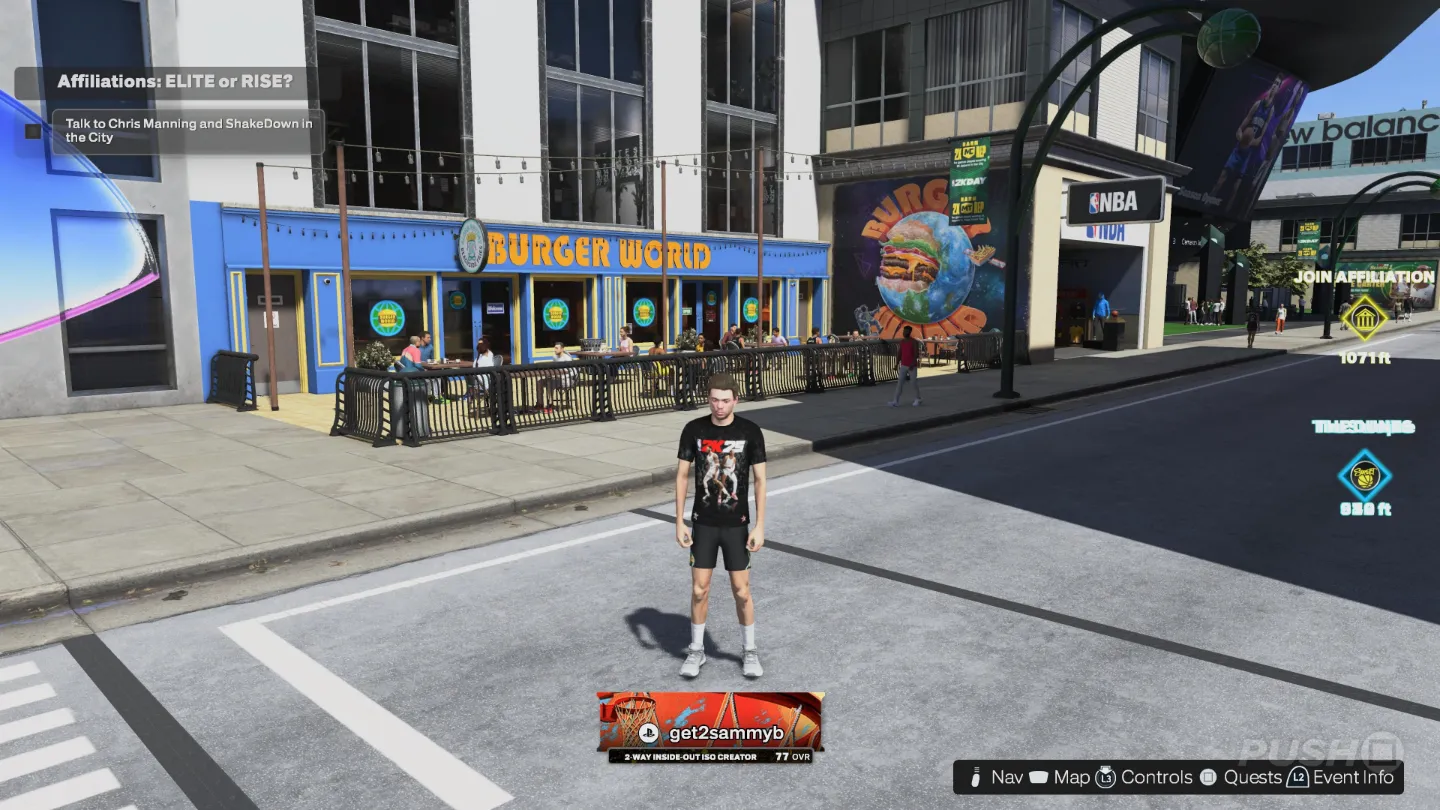
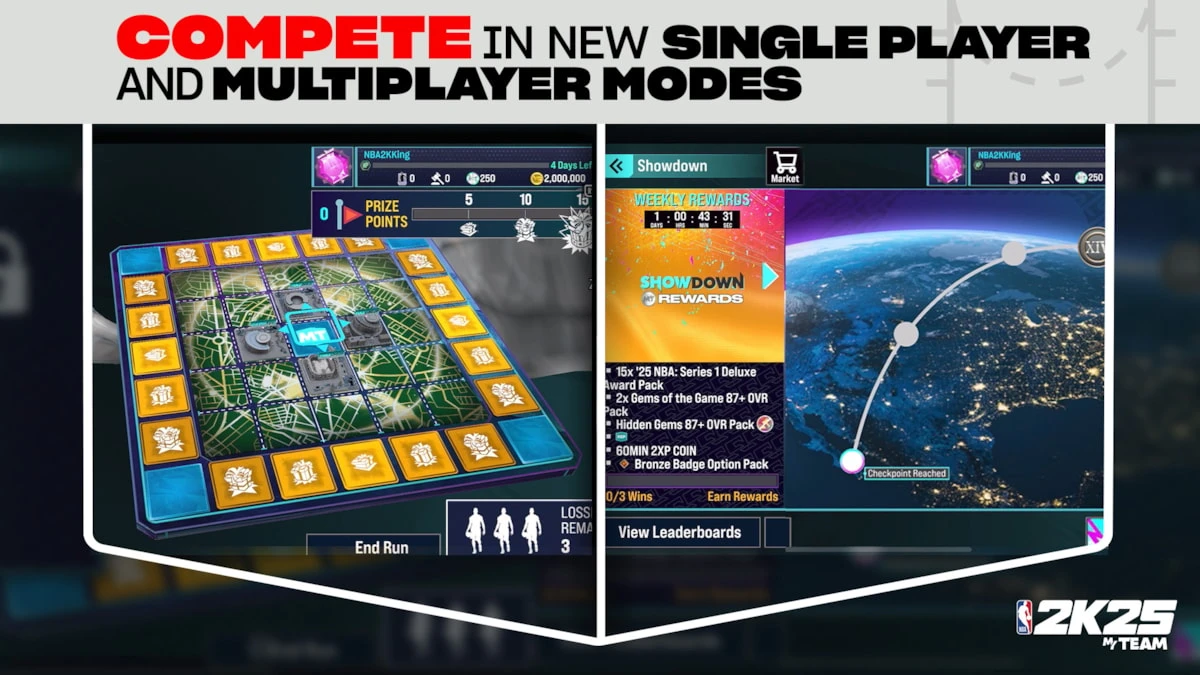
MyCAREER is the painful one for a lot of players because it looks and feels like a personal story. You design a player, choose a build, work through progression and take that character into a wider basketball world. Your investment is partly money and partly time, and the time can be just as valuable. MyTEAM asks for a different commitment: build a collection, make choices, chase cards, improve a squad. Even when nobody spends an extra rupee, those modes ask people to keep coming back.
Once the online system closes, these are not simply features you cannot use in matchmaking. According to 2K, the modes themselves become unavailable. So if somebody bought NBA 2K25 mainly for MyCAREER, telling them that Play Now is still there does not answer their complaint. It is like keeping the stadium open while permanently locking the door to the season ticket seats they actually paid to use.
The NBA 2K countdown is not a surprise. That makes it more troubling.
The franchise has a predictable pattern. 2K's published notices show NBA 2K22 ending online service on December 31, 2023; NBA 2K23 following in 2024; NBA 2K24 in 2025; and NBA 2K25 scheduled for the final day of 2026. The company also publishes service-status information for newer editions. That means the expiry is part of the product's foreseeable life cycle, rather than an unexpected accident involving a single failed game.
A publisher can reasonably say the dates have been disclosed. A consumer can reasonably answer that disclosure does not make the arrangement fair. Imagine buying a full-price game and being told at checkout that a central part of it will stop working roughly two years later. Some people would still buy it. Others might wait for a discount, choose an older offline sports game or spend their money elsewhere. The crucial requirement is that they understand the limitation before committing.
It is especially questionable when the game contains systems that encourage further spending during those two years. Editions of NBA 2K25 included Virtual Currency, MyCAREER boosters and MyTEAM-related benefits. These are not ordinary physical items that can be removed from a shelf and stored safely once a season is over. Their usefulness depends on software and servers that the publisher controls.
Follow the money, but do not invent the motive
There is a genuine financial incentive for publishers to keep people inside persistent, monetised experiences. Take-Two Interactive, 2K's parent company, reported $6.72 billion in net bookings for fiscal 2026. Recurrent consumer spending accounted for 78% of company-wide net bookings. The company defines that spending to include virtual currency, add-on content, in-game purchases and advertising. NBA 2K25 and NBA 2K26 were among its major contributors.
That 78% figure is for Take-Two's entire business. It does not mean 78% of NBA 2K25 players bought currency, or that 78% of the game's revenue came from MyTEAM. Publishing those claims would be careless. What the results do show is that repeat spending after the initial sale is central to how the wider business makes money.
Does that prove that 2K closes older services specifically to push players into the newest edition? No. You cannot establish an executive's motive from a pattern alone. Keeping ageing online infrastructure running costs money, and fewer players use each edition once another annual release arrives. Servers, security, customer support, licensing and development resources are real expenses.
But look at the balance of power. The publisher receives the original purchase price and can continue selling in-game benefits while the service is active. The customer receives access to a digital experience with an end date the publisher controls. When the date arrives, the company decides what can be preserved and what cannot. That imbalance is not imaginary just because the shutdown is disclosed.
Other publishers have erased entire games
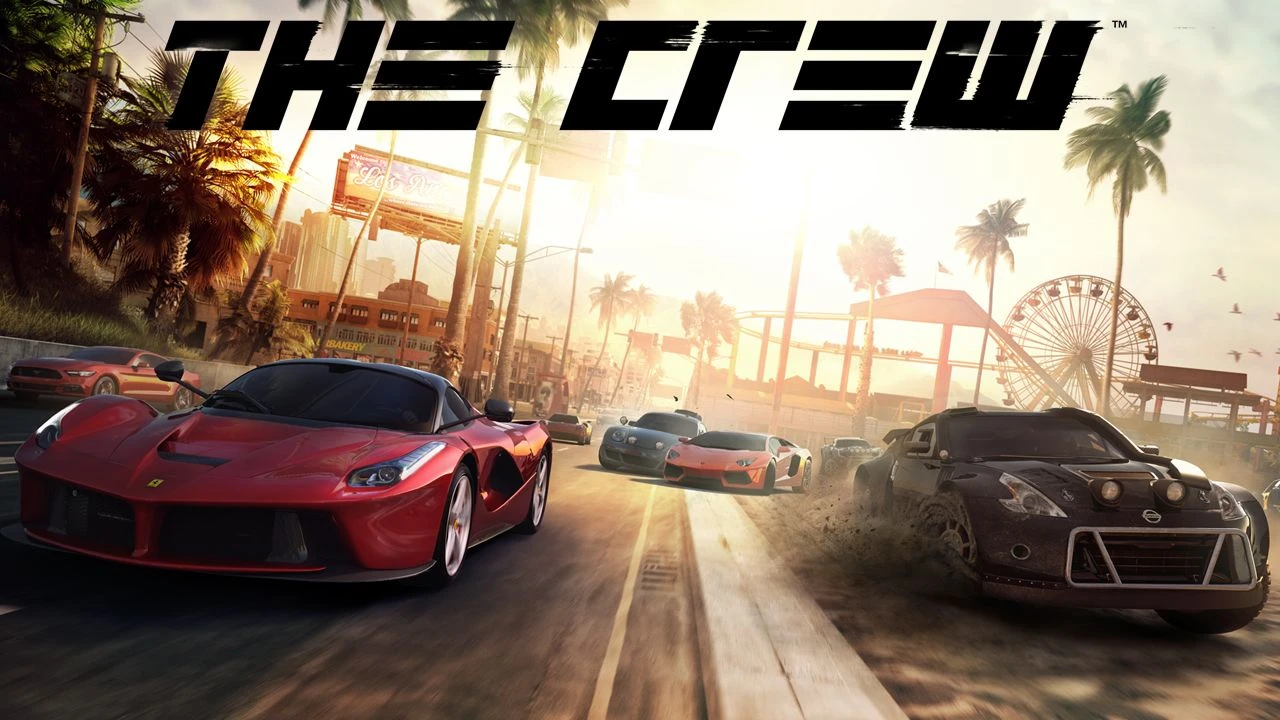
NBA 2K25 is not the worst version of this problem. Ubisoft's original The Crew became inaccessible when its servers shut down on March 31, 2024. This was a driving game with a huge open-world recreation of the United States. Players who wanted to explore it alone could not simply start an offline session. The game was designed to require Ubisoft's servers, and once those were switched off, ownership of a copy was not enough to make it run.
That is what makes the 2K case part of a broader industry conversation. A consumer can own a disc or a digital entitlement while remaining dependent on a central service for basic access. When the service stops, the product may lose some features, most features or the ability to launch at all. There is no single outcome. The original architecture and end-of-life decisions determine it.
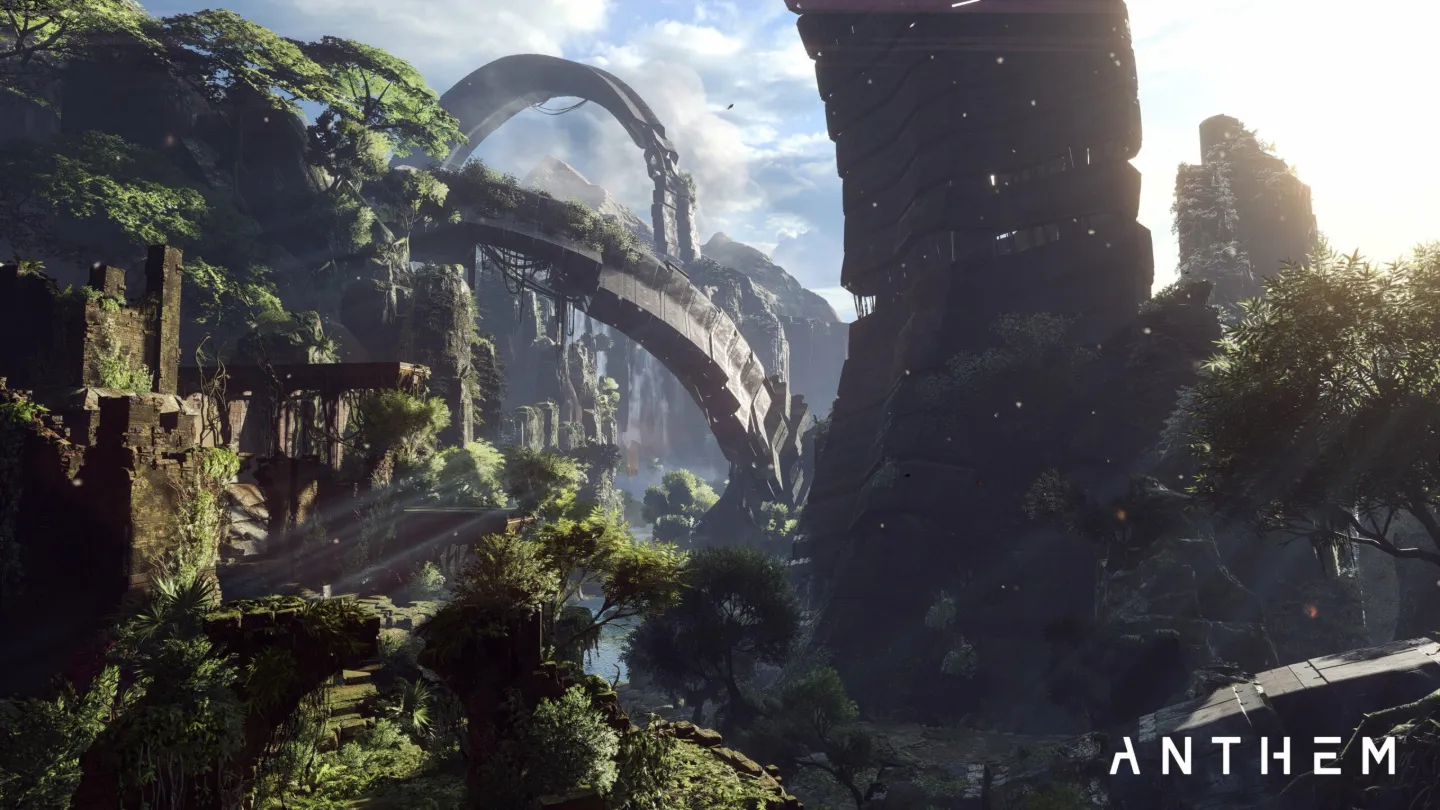
Electronic Arts made that distinction explicit when it announced the end of Anthem. Its online-only shooter closed on January 12, 2026. EA's own FAQ said the game would no longer be playable after the server shutdown because there was no offline mode. Players could continue using the product until the deadline, but they could not preserve a personal copy of its world after the online infrastructure ended.
Battleborn, the 2016 Gearbox shooter published by 2K, became another hard example when its servers closed in January 2021. It relied so heavily on the online backend that even the single-player campaign stopped working. The feature was not a ranked playlist that few people were using. It was an entire mode players could no longer access.
Some companies have shown that a better ending is possible
Here is the comparison that should make publishers uncomfortable: Ubisoft did not repeat the original The Crew's outcome with The Crew 2. In October 2025, it added a hybrid mode that lets owners switch between online and offline play. Players can export their online progression to a local save and continue driving without needing to contact Ubisoft's live servers. The company expanded the feature in April 2026, including improvements for custom liveries.
The offline version does not magically recreate online leaderboards, multiplayer races or the social world around the game. Online and offline saves have separate progress, and exporting again can overwrite offline progress. But the core game stays useful. You can still drive the cars. You can still access the world. The publisher made a choice that lets owners keep something meaningful.
Warner Bros. took a more limited approach with MultiVersus. When online service ended in May 2025, people who installed the required update and logged in before the deadline could retain a local save and keep playing certain offline content, including previously acquired material. The condition created its own problem: miss the setup window and you could lose that option. Still, the effort showed that an online game's retirement need not always be an execution date.
Gran Turismo Sport is another example. Sony ended its online services in January 2024, removing Sport Mode, lobbies and several connected features. The offline parts remained available. Dedicated competitive players lost important experiences, but the physical act of driving a car around a circuit did not disappear with the matchmaking servers.
The honest lesson is not that every publisher can flip a switch and make every online game offline. Some games are built around genuine network interactions. An offline replacement can require substantial engineering, renegotiated licences, anti-cheat changes and save-system work. But companies also make the original design decisions that create those dependencies. If a single-player career is inseparable from an online account database, that was a product decision long before the shutdown notice was written.
Why 'you bought a licence' is not the end of the argument
A digital storefront may describe an acquisition as a purchase while the terms define it as a licence subject to limitations. This distinction has become the centre of the digital-ownership debate. Many customers understand that a streaming subscription can end. A paid game presented next to permanently playable offline products creates a different expectation, especially when its most valuable features depend on servers that have a scheduled expiry.
The law is not settled by the sentence 'you never owned the game.' Contract terms matter, but so do consumer-protection rules and how a product is marketed. In California, a law effective in 2025 tightened disclosure requirements for certain digital goods sold using words such as buy or purchase. It is about making the limitations of a licence clearer; it does not require publishers to run all servers forever.
In Europe, the Stop Destroying Videogames initiative gathered more than 1.29 million verified signatures. The European Commission responded in June 2026 that it was not, at that stage, proposing a general law forcing every commercially discontinued game to remain playable. It also stressed that existing consumer law can provide remedies when digital content does not match the contract or reasonable expectations, and that publishers should be transparent about how long digital services will last. Discussions about industry end-of-life standards are due to begin by the end of 2026.
There are real disputes in court, too. A California case over The Crew resulted in a proposed settlement that, subject to approval, offered eligible claimants a choice between cash and Ubisoft credit. The claims deadline has passed, and the final approval hearing was listed for November 13, 2026. A proposed settlement is not a court finding that Ubisoft committed a crime. It is evidence that consumers are challenging what they were led to believe they had bought.
What can an Indian player actually do?
India does not have a simple rule guaranteeing that every purchased game must remain playable after its servers close. But the Consumer Protection Act, 2019, gives customers avenues to challenge misleading representations and unfair trade practices. Whether a specific shutdown entitles someone to a refund depends on the product description, service terms, purchase circumstances and applicable law.
If you believe you were misled, start by keeping records rather than posting only an angry screenshot. Save your purchase receipt, the storefront description, any lifetime or offline-play claims made when you bought the game, your spending history and the official discontinuation notice. Ask the retailer or publisher for a written response. You can also approach the National Consumer Helpline through consumerhelpline.gov.in or the phone number 1915. That does not guarantee compensation, but a documented complaint is stronger than a general accusation that every shutdown must be illegal.
Players should also ask practical questions before spending money on a live-service game. Can the single-player content run without an internet connection? Can progression be exported? What happens to purchased currency at the end of support? Does the publisher clearly publish an expected sunset date? Most of these questions are not answered by a launch-day trailer, yet they can determine whether the game is still worth buying two years later.

A fair retirement should not erase everything people built
No reasonable consumer expects 2K to maintain every leaderboard and multiplayer server indefinitely. But the conversation has become far too comfortable with the idea that stopping online support must also kill a career mode, a character or a personal collection. Those are not the same thing.
A fairer standard would give buyers prominent notice of a product's expected online lifespan, preserve genuinely single-player content where practical and offer a way to export personal progression before the service ends. When important paid features disappear much sooner than a reasonable buyer could expect, remedies should be considered. If a title cannot be preserved because of licensing or security constraints, tell customers exactly what the obstacle is. Do not hide an entire design decision behind the phrase 'server costs.'
The gaming industry has plenty of people willing to pay for worlds they love. That trust ought to be worth protecting. The next time somebody tells you that a digital purchase is merely a temporary licence, ask a better question: if we are paying full price for a temporary experience, why are publishers so reluctant to make the end date and the consequences impossible to miss?
NBA 2K25's servers will go dark at the end of December. The disc or download may survive. The basketball career somebody spent two years building will not. That is the part the industry should have to explain.