
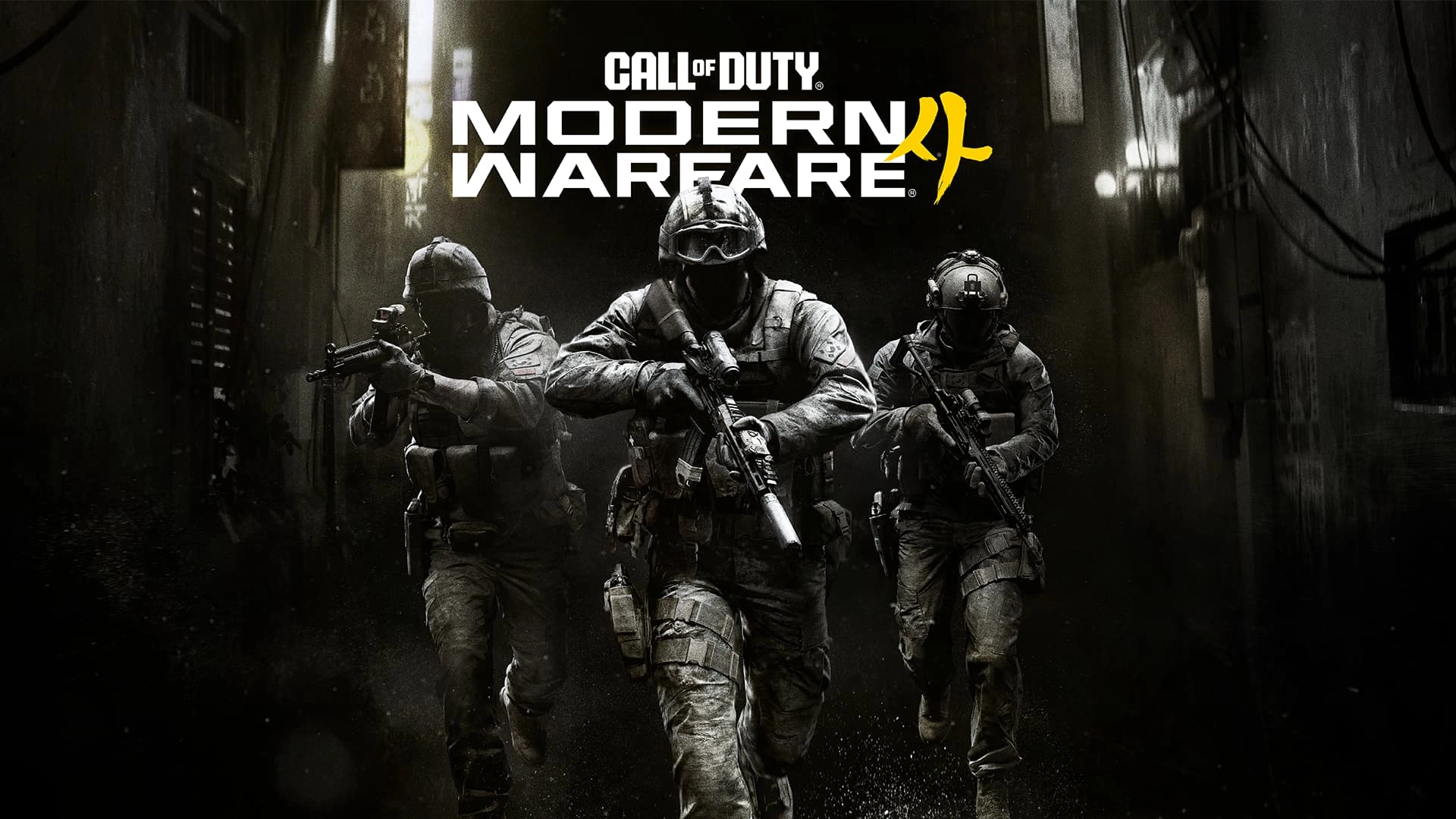
The argument about Call of Duty: Modern Warfare 4 on Nintendo Switch 2 is not really about how pretty it looks. It is about the time between pressing a button and seeing a response. Digital Foundry's technical testing, reported by IGN, found substantially higher multiplayer input latency on Nintendo's console than on PlayStation 5. That difference can make a familiar gunfight feel wrong even when the game appears to be running at a respectable frame rate.
Modern Warfare 4 released on October 23 across PlayStation, Xbox, PC and Switch 2. It is a significant return for Call of Duty on Nintendo hardware after years without a new mainline entry. Activision promises native development for the system through Infinity Ward and Digital Legends, but the independent measurements show why getting a famous shooter onto a platform and making it equally responsive are separate engineering problems.
Switch 2 versus PS5: the measured input-lag results
Digital Foundry measured around 81 milliseconds of input latency in Switch 2's docked multiplayer mode and around 100 milliseconds in handheld mode, compared with approximately 49 milliseconds on PlayStation 5. Reports of handheld results also describe variation depending on the test scenario. These are measured response times under test conditions, not a universal guarantee that every player will encounter exactly the same delay. They nevertheless show a substantial platform gap.
It is worth spelling out what 100 milliseconds means. It is a tenth of a second between an input and the resulting visual response in the tested scenario. In an ordinary story game, that may be manageable. In multiplayer, where an opponent can already be moving into cover, the extra time can change the result of a close encounter. A player's aim, positioning and anticipation still matter, but the controls can be less immediate before network delay is even added.
High input lag is not the same as high ping
Network ping measures the time needed for data to travel to a server and back. Input latency measures the delay in a control-and-display pipeline. A player can have a good internet connection and still feel the underlying control response is sluggish. Buying a faster internet plan, moving closer to a router or choosing a different region will not necessarily fix a rendering or input-processing problem within the console version.
Frame rate alone does not settle the question either. Digital Foundry found that Switch 2's multiplayer aims for 60 frames per second and often reaches that target, while the campaign runs at a lower 30fps target. Stable frames improve visual continuity, but they do not prove low button-to-screen latency. A game can feel smooth when watched and delayed when played. That distinction is exactly why independent latency measurements belong beside resolution and frame-rate comparisons.
What could Switch 2 players try now?
If you own the game, start with the simplest controls. Use a monitor or television's Game Mode when docked, disable extra picture processing, and compare your controller connection options. Test identical scenarios before and after a change rather than judging from one frantic match. In handheld mode, screen and control processing are more tightly integrated, so there may be fewer adjustments available. These steps can remove display-side delays but cannot erase every part of the game's internal response pipeline.
Another sensible option is to avoid treating cross-platform performance as equal while the issue persists. A casual player enjoying the campaign may not notice enough difference to change platforms, but anyone playing serious ranked multiplayer should weigh the latency findings before buying the Switch 2 version specifically for competitive matches. Activision has not announced a verified fix or improvement target in the sources reviewed for this article. Claims that a particular patch solves the issue need new measurements to support them.
The bigger Nintendo question
Switch 2's Call of Duty launch is important because Microsoft's long-term commitments to bring the series to Nintendo raised expectations of real platform parity. Parity has several meanings: content released on the same date, cross-play support, frame-rate targets and input responsiveness are not interchangeable. A game can offer the same weapons and maps while presenting a competitive disadvantage through its control pipeline.
For buyers in India, a Switch 2 purchase may appeal because it is portable, not because it reproduces the full performance envelope of a high-power console. That is a valid trade-off when clearly described. The concern here is whether a fast, precision-focused online game has crossed a threshold that changes how reliably competitive inputs register. Until there is a properly measured update, Digital Foundry's numbers are an important part of the buying decision, not a footnote.