Activision has apologised for using real footage from the deadly 2022 Itaewon crowd crush in the opening of Call of Duty: Modern Warfare 4. The publisher says the material will be removed in an update scheduled for November 12, 2026, after families of victims and groups in South Korea challenged the decision to include it.
The footage reportedly appears in an opening montage depicting civilian casualties during a fictional conflict involving North and South Korea. It shows an emergency response to a real disaster, not an invented battle. The incident has made the game's use of documentary imagery part of the news, rather than a footnote to its campaign.
What happened in the game?
Modern Warfare 4 uses an introductory sequence framed around a fictional invasion. A portion of that sequence included authentic footage of emergency treatment from the Itaewon disaster. On October 29, 2022, a crowd crush in Seoul's Itaewon district killed 159 people, according to South Korea's Yonhap news agency. The tragedy remains a source of grief and public scrutiny in the country.
According to reporting by Yonhap on October 30, the clip showing a paramedic performing CPR on a victim appeared during the game's opening moments. Families objected to footage of real suffering being used as background for a commercial entertainment product. Their complaint was not about whether a war story may be fictional; it was about the identity and context of the people shown in supposedly fictional imagery.
A video-game scene can use documentary material to establish a setting, but the decision carries a responsibility to establish what is being shown and whether the context changes its meaning. Footage recorded after a civilian disaster is not an interchangeable image of a war zone.
What Activision has promised
Activision Publishing issued an apology to victims, bereaved families and people distressed by the use of the material. It said the intention was not to trivialise or recall the tragedy. The publisher also committed to removing the footage in the November 12 update.
That distinction is important for players checking whether the problem has already been fixed. As of November 1, the announced removal date is still in the future. The apology confirms an intended change, not proof that an updated cinematic has already reached all platforms. The exact replacement footage has not been publicly described in the reporting reviewed for this article.
The update should ultimately be judged by the final material that ships. Removing a controversial shot from one sequence is a clear first step; identifying how it was selected and approved is the more difficult question. The publisher's public statement did not provide a detailed account of its internal editorial or licensing checks.
Why this is different from an ordinary game controversy
Modern warfare games routinely borrow the language of televised news, intelligence briefings and historical conflict. That visual style makes a fictional story feel urgent, but it can also blur a line viewers assume is being respected. A shot of genuine rescue workers may look cinematic when it is cut to dramatic music, yet the people in the footage were facing real deaths and injuries.
The location makes the choice particularly sensitive. Modern Warfare 4's conflict is set in Korea, where audiences may immediately recognise imagery associated with the Itaewon disaster. People outside the country might not. That difference in recognition does not remove the obligation to get the context right.
The response from victims' families shifts the article away from arguments about whether the scene is “realistic”. Their criticism is about consent, dignity and the effect of revisiting a public tragedy through entertainment. The dispute also shows why globally marketed games should not treat archival footage as generic scenery.
What players and publishers should watch next
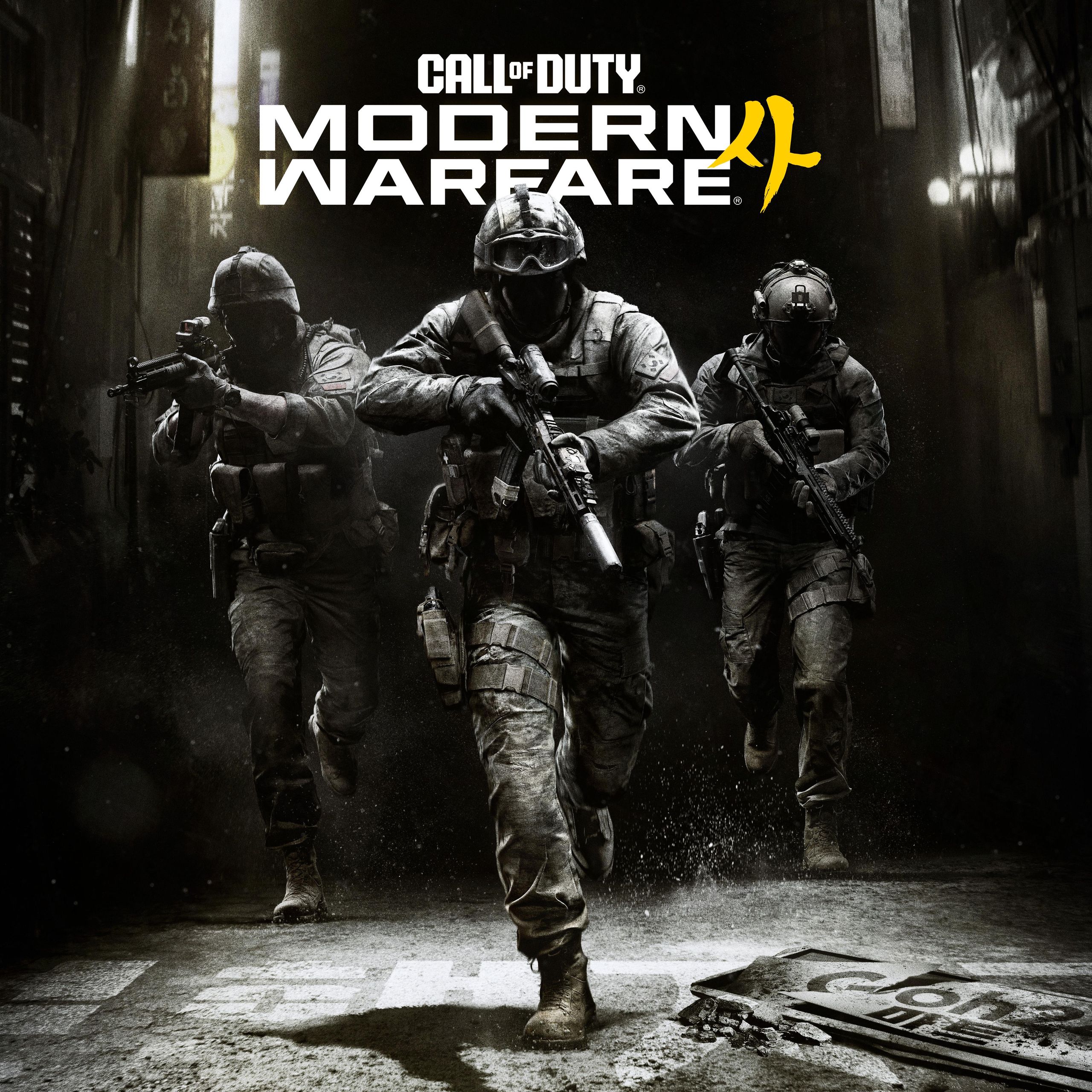
The practical date is November 12. Until Activision delivers the patch, players should avoid sharing the original scene without appropriate context or circulating graphic stills simply to illustrate the controversy. This article uses the game's standard promotional artwork rather than reproducing images of people receiving emergency aid.
For publishers, the lesson is not that real events can never inform fiction. It is that an identifiable disaster cannot be stripped of its meaning just because the resulting shot helps explain a fictional conflict quickly. Research, permissions and review need to happen before launch—not only after the people most affected object.
This report is based on Yonhap's account of Activision's statement and corroborating coverage of the planned update. Any later confirmation that the replacement has shipped will require a fresh article update.