

Global Esports finally won VCT Pacific. Six weeks later, it was saying goodbye to professional competition. For Indian VALORANT fans, that was a strange way to end the organisation’s strongest season.
On October 19, Global Esports announced that it was closing its competitive esports operations and allowing its players to explore other teams. The company itself is not disappearing. Founder Rushindra Sinha is shifting the business towards GE Studios, with gaming-related services and new technology work taking priority.
The announcement is more than a roster move. It is a reminder that a trophy can prove a team is good at the game without proving the organisation can afford to keep running it.
From years of struggles to the Pacific trophy
Global Esports entered Riot Games’ VCT Pacific partnership in 2023, carrying the expectations of a sizeable Indian fanbase. The early seasons were frustrating. The roster changed, results were inconsistent, and regional rivals regularly looked a step ahead.
The 2026 campaign finally gave supporters something to celebrate. Global Esports reached international events including Masters London and the Esports World Cup. Then came VCT Pacific Stage 2 in September, where it faced Nongshim RedForce in the grand final.
The team went two maps down, fought back and won 3–2. It was a reverse sweep for the championship, not an easy win disguised by a scoreline. Global Esports subsequently went to VALORANT Champions Shanghai as a Pacific representative, beating EDward Gaming before its tournament ended in the group stage.
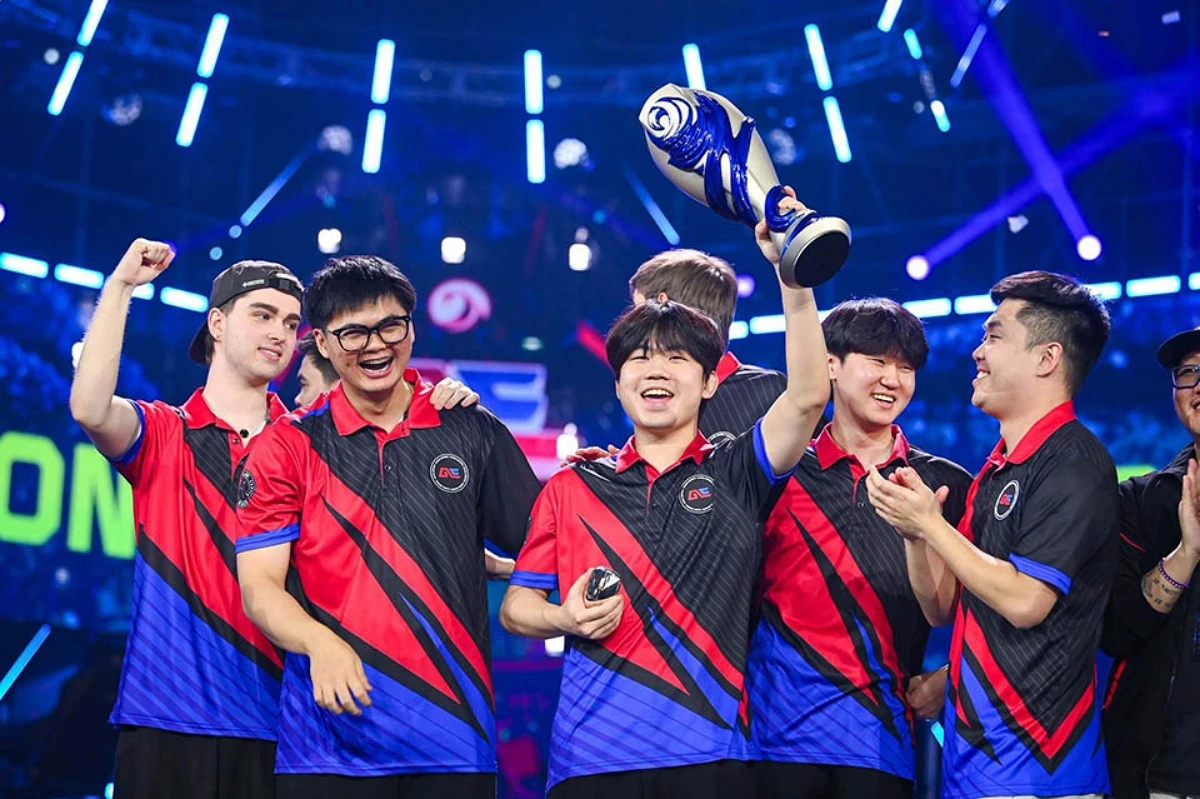
The organisation announced its exit on October 19
Global Esports’ official VALORANT Instagram account posted a farewell message on October 19, describing the season as bittersweet and signalling the move to the studio business. It is the original announcement fans should read, not a fan repost or an unrelated victory graphic.
Official Global Esports announcement: https://www.instagram.com/p/Dero1UyKsM0/
The decision had been considered before the team lifted the Pacific trophy. This was not a reaction to losing at Champions. It was a business decision made while the team was becoming more competitive
Why leave after the best results in the organisation’s history?
Speaking to exchange4media for a report published October 29, Rushi explained that Global Esports’ studio work had helped pay for the competitive teams. The economics of continuing a top-level roster no longer made sense for the company.
That distinction matters. Player salaries, coaches, analysts, travel, accommodation and team operations are ongoing expenses. Tournament prize money arrives only if results go the right way. A team can earn attention from a championship while still needing new sponsorship deals to cover its operating costs.
The costs are particularly hard to predict in international leagues. Players and staff may be working outside their home country, and a new competitive season can demand fresh contracts. Strong content and an engaged fanbase help, but neither automatically pays every bill.
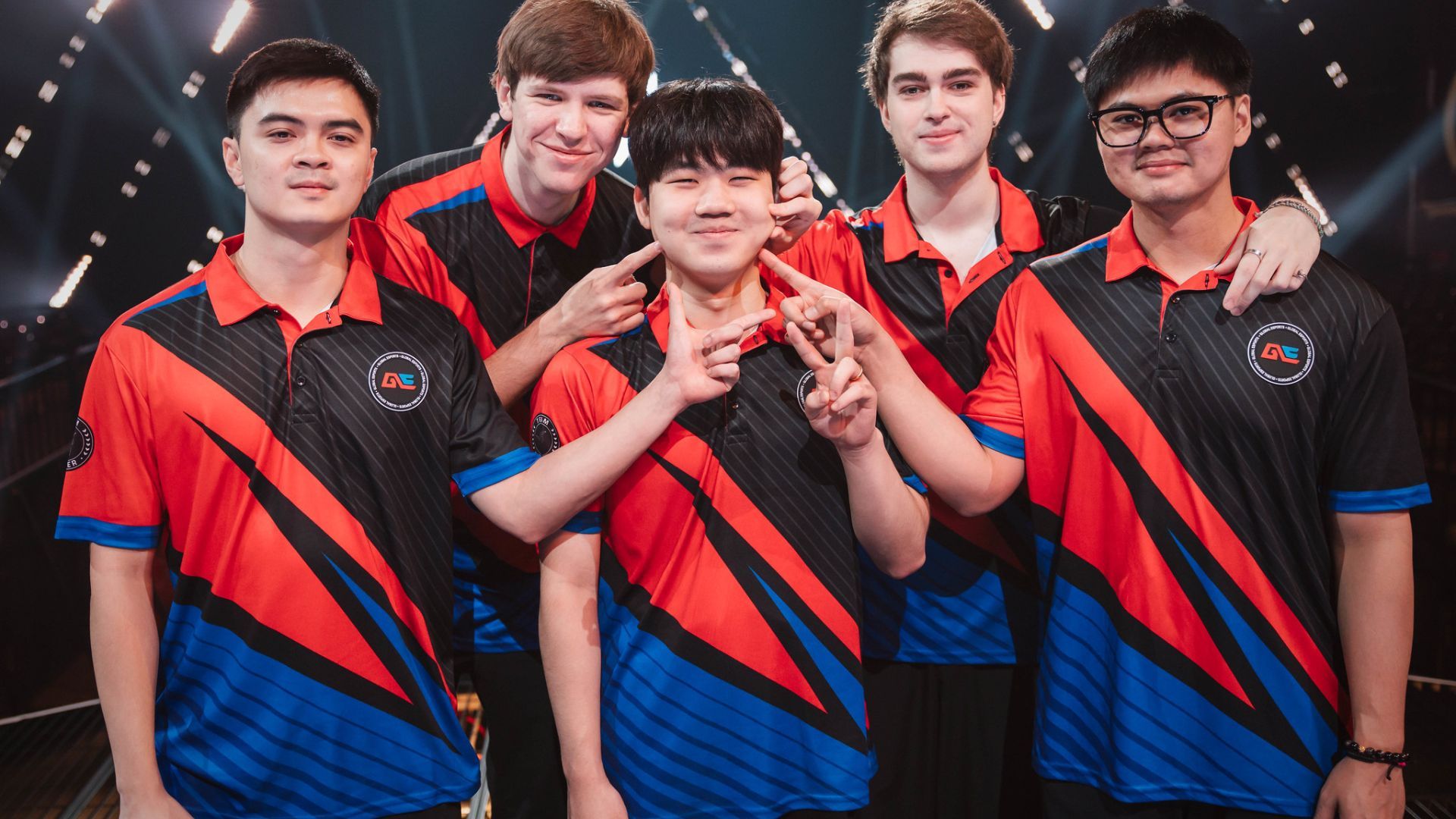
What happens to the players and India’s VCT presence?
The final roster included Xavier “xavi8k” Juan, Patrick “PatMen” Mendoza, Go “UdoTan” Kyung-won, Savva “Kr1stal” Fedorov and Kale “Autumn” Dunne. Their release lets them negotiate opportunities elsewhere. It is not an announcement that they have retired.
Global Esports also will not be in VCT Pacific’s 2027 partner lineup. That removes the league’s familiar Indian-owned organisation from the next partnership cycle, but it does not mean Indian players have been banned from VALORANT or that every route into international competition has closed.
The problem goes beyond one organisation
India has enormous esports audiences, especially around mobile games. But viewership and a team’s income are not the same thing. Tournament organisers, publishers, streaming platforms and creators may all earn money from the same ecosystem. An organisation carrying a roster’s costs needs a dependable share of that value.
Other industry figures interviewed by exchange4media pointed to the importance of long-term sponsors, publisher support, reliable tournament schedules and communities that stay interested when their team loses. Those are business basics, but esports still struggles to make them predictable.
GE Studios is Rushi’s answer for his company. Its future will have to be judged on what it builds, not just on the popularity of the Global Esports name.
For fans, the final image is hard to forget: the team that spent years trying to win VCT Pacific finally did it, then left the stage. For India’s esports business, the question is what would have made staying worthwhile.