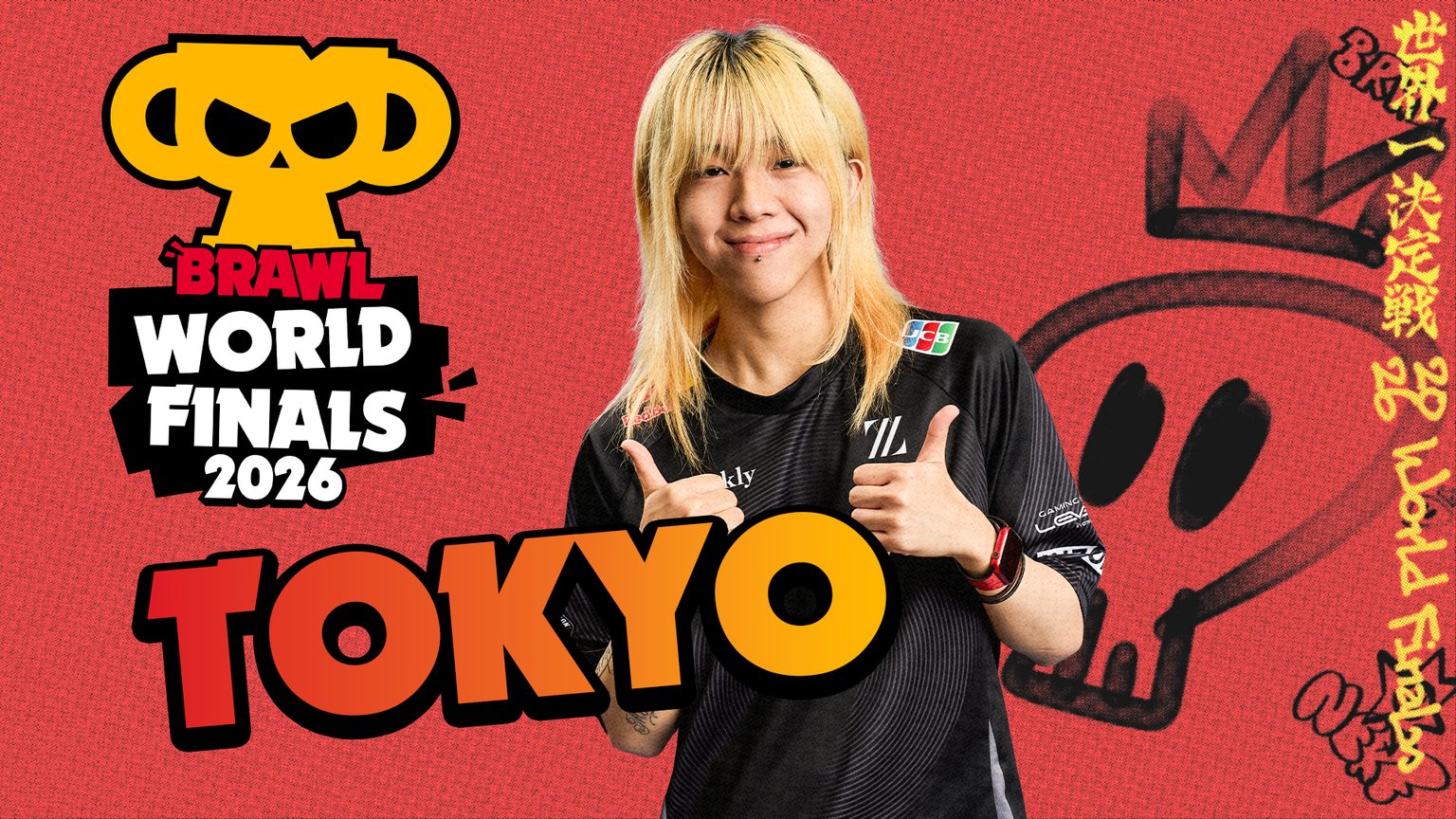
Brawl Stars has its World Finals lineup, and Tokyo is getting one of the biggest events in the game’s history. Twelve teams will compete for a $1 million prize pool from November 20 to 22, 2026, with the Tokyo Metropolitan Gymnasium hosting the championship for the first time.
The final two places went to Natus Vincere and Team Heretics after the Last Chance Qualifier in Guangzhou. The rest of the field earned places through the regional season. Here is who plays, how the unusual two-stage format works, and when fans in India should tune in.
Brawl Stars World Finals 2026 dates and India timings
Supercell lists November 20, 21 and 22 as the three competition days. Its official ticket guide says the show begins at 12:00 noon Japan Standard Time each day. That converts to 8:30 AM IST, making the broadcast accessible to Indian viewers without a late-night start. Doors open two hours earlier for ticket-holders in Tokyo.
The venue is Tokyo Metropolitan Gymnasium, and the $1 million figure is the full tournament prize pool, not a guaranteed payment to the eventual winner. It will be split according to final placements. The event is also expected to include fan activities and in-person rewards, but those should not be confused with rewards promised to every online viewer.

All 12 qualified teams
Four teams start directly in Saturday’s playoffs after leading their regions: FUT Esports from EMEA, Bounty Hunters from South America, ZETA DIVISION from East Asia and Tribe Gaming from North America.
The other eight begin in Friday’s groups. Group A contains HMBLE, RED Canids, Totem Esports and Team Heretics. Group B contains Crazy Raccoon, Team Elektros, NOVO Esports and Natus Vincere. The group placement follows the regional seed allocations published by Supercell and the October Last Chance Qualifier results.
Those names bring different expectations. Crazy Raccoon are the defending world champions. FUT have earned a strong regional position in EMEA. ZETA and Tribe skip the Friday risk entirely, but that means their first series arrives against teams already warmed up on the stage.
NAVI and Heretics survived the last qualification test
The Last Chance Qualifier ran in Guangzhou on October 17 and 18. NAVI defeated Heretics 3-0 in the upper-bracket final to take the first ticket. Heretics then beat KDS 3-0 in the lower-bracket final to claim the second. NAVI’s own event report confirms those results and the route both organisations took.
It is worth separating qualification from form. A strong LCQ does not guarantee the same performances in Tokyo, and the eight group-stage teams must survive an extra day of competition before they can even meet the four direct playoff seeds.

How the World Finals format actually works
Friday uses two four-team GSL groups. Each group plays best-of-five sets, and two teams advance. Unlike a straight knockout bracket, a team can lose its opener and still make it through the lower path. A second loss generally ends the run.
On Saturday, the four surviving teams join the four regional leaders in an eight-team double-elimination playoff. A team can reach the final through the upper bracket or fight its way back through the lower bracket.
Sunday has the last five best-of-five series and the grand final. The title match is best-of-seven, but Supercell’s format includes a 1-0 advantage for the upper-bracket finalist. That advantage is a real competitive reward for making it through without dropping into the lower bracket.

Where to watch and how to claim rewards
The safest starting point is the official Brawl Stars Championship event hub, which links the broadcast and interactive viewing features. Supercell says viewers can earn engagement rewards through eligible predictions, quizzes, cheering and other live activities. Those are actions players have to complete, not rewards that automatically arrive for leaving a stream open.
The tournament has an obvious mobile-esports appeal in India: a free-to-play game, easy-to-follow matches and a morning broadcast. But there is no announced India-specific team in the twelve-team field, so the interest is in the players and organisations competing globally, not an invented Indian qualification story.
For now the main questions are whether a regional leader can justify the direct playoff seed and whether an LCQ survivor can upset the bracket. The answer begins November 20 in Tokyo.