

Tim Sweeney has spent years arguing about game-store fees. This week he moved the argument into a more uncomfortable place: your friends list. The Epic Games chief says Valve’s Steam platform has held gaming back, not only through the share it collects on sales but through social tools that developers have strong reasons to build around. Steam’s friends, invitations and multiplayer services are useful. That is exactly why changing stores can feel like moving cities.
It is a serious criticism coming from an interested rival. Epic operates a competing PC storefront and supplies Epic Online Services, an alternative set of cross-platform services. Sweeney benefits if developers and players decide they rely too heavily on Steam. Valve benefits when the opposite remains true. Neither company gets to settle the debate by describing the other as the problem.
The familiar number is 30 percent. Steam’s standard headline revenue share has long been used as a symbol of PC storefront power, although large-revenue titles can qualify for lower percentages. The Epic Games Store has a more generous published schedule. Since June 2025, its terms let eligible developers keep the first $1 million in net revenue per product each calendar year on Epic-processed payments, then move to an 88/12 split. That is a meaningful difference in store economics. It still has not made Steam’s millions of established player relationships disappear.
Why the next launcher is not just another icon
Think of everything attached to a Steam account: purchases, friends, messages, screenshots, achievements, cloud saves, workshop subscriptions, wishlists and the knowledge of where everyone gathers. A rival store can offer a lower fee and still ask players to give up some of those habits. Players do not make that trade-off on the same spreadsheet a publisher uses to calculate distribution costs.
Steamworks, Valve’s developer-services toolkit, supports lobbies, matchmaking and other functions that can dramatically reduce the amount of backend work a small studio needs to perform. Developers can build alternatives or use their own networking. Sweeney’s broad claim that these systems make the industry less open is an argument about incentives and switching costs; it should not be rewritten as the false statement that every Steam game is technically forbidden from communicating with other platforms.
Epic, for its part, advertises Epic Online Services as free services designed to work across stores and engines. Its own PC-store guidelines require multiplayer titles, where relevant, to support cross-storefront matchmaking and invitations. A Steam player and an Epic player should be able to find the same PC sessions without one storefront artificially hiding the other. Epic also promotes parties and communication that extend beyond a single game or launcher.
That position is attractive, especially for multiplayer developers who want to ship on Steam, Epic and consoles. But integration is still work. Account linking, privacy settings, moderation, reporting, invites and voice systems all need testing and maintenance. A solution being free to use does not mean it costs a studio nothing to implement well. Conversely, Steam providing services to its developers does not mean they are exploiting players by choosing the easiest reliable path.
A fee can be copied. A community takes years.
Epic’s better revenue split is a lever it can control. The strength of Steam’s social and discovery network is harder to reproduce. A teenager might buy a first game on one store, add ten friends, spend three years gathering a library, then regard that launcher as the natural place to play. It is not a rational comparison of tax rates every time. It is a social default.
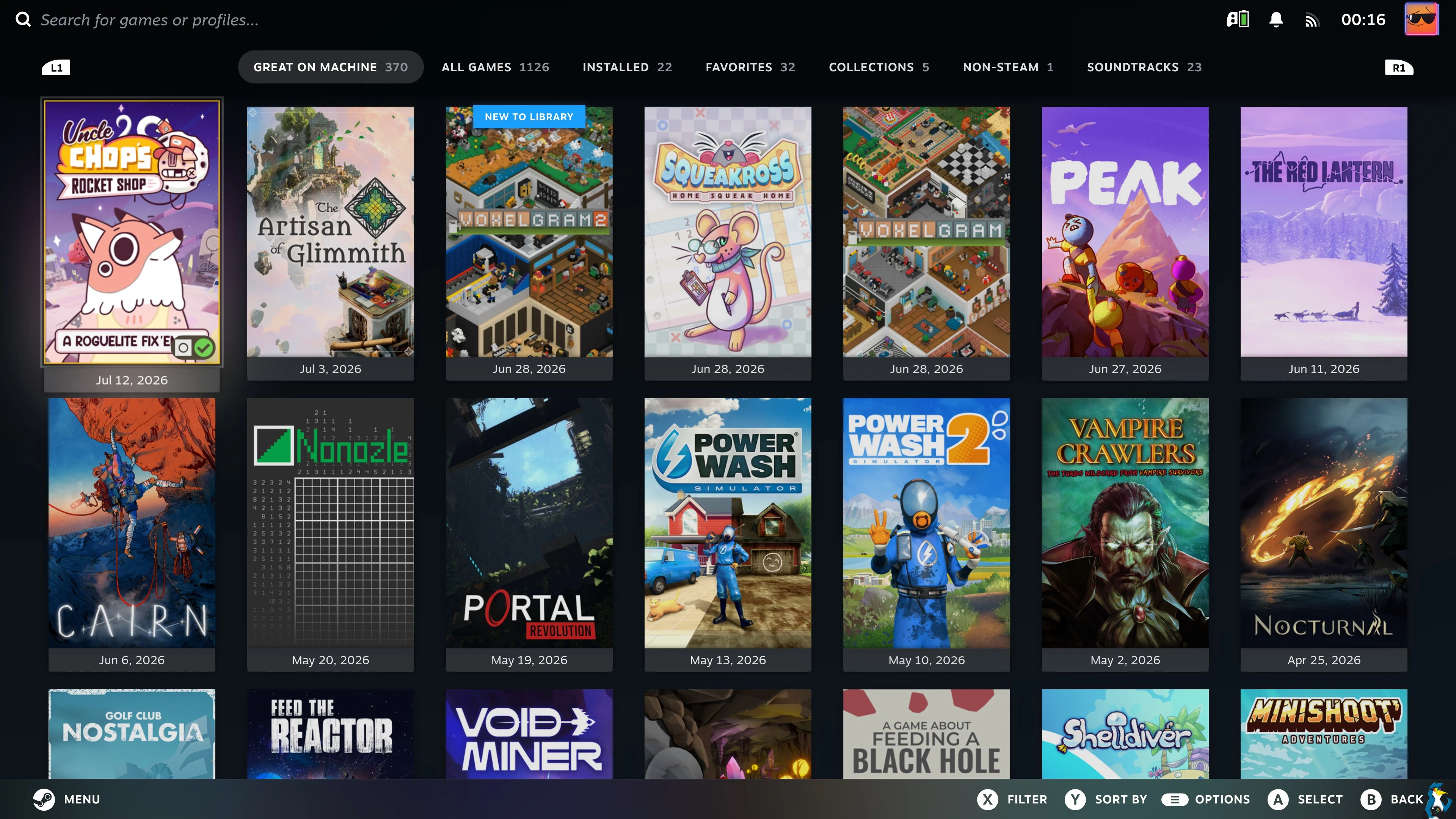
This is why the question ‘Why do developers keep shipping on Steam?’ is more revealing than ‘Which store charges less?’. Steam remains an important route to wishlists, sales and community attention. Missing that audience can be more expensive than the difference in revenue share. Developers make their decisions under those conditions, not in a world where all stores have identical reach.
There is, however, a legitimate concern in allowing a storefront to become too central to independent development. The less practical it feels to publish elsewhere, the more influence the dominant store has over distribution, refunds, moderation and the tools an audience expects. Those are real market-power questions even when the dominant product is popular because it serves users well.
The crossplay problem players actually notice
A player does not care which SDK carries an invitation until it fails. They care when their PC friend cannot join their console party, when an account-linking screen appears every time, or when voice chat disappears because someone launched the wrong version. It is reasonable to ask game companies to make those boundaries less visible. It is not reasonable to pretend a one-size-fits-all backend solves matchmaking quality, platform restrictions and trust in every game.
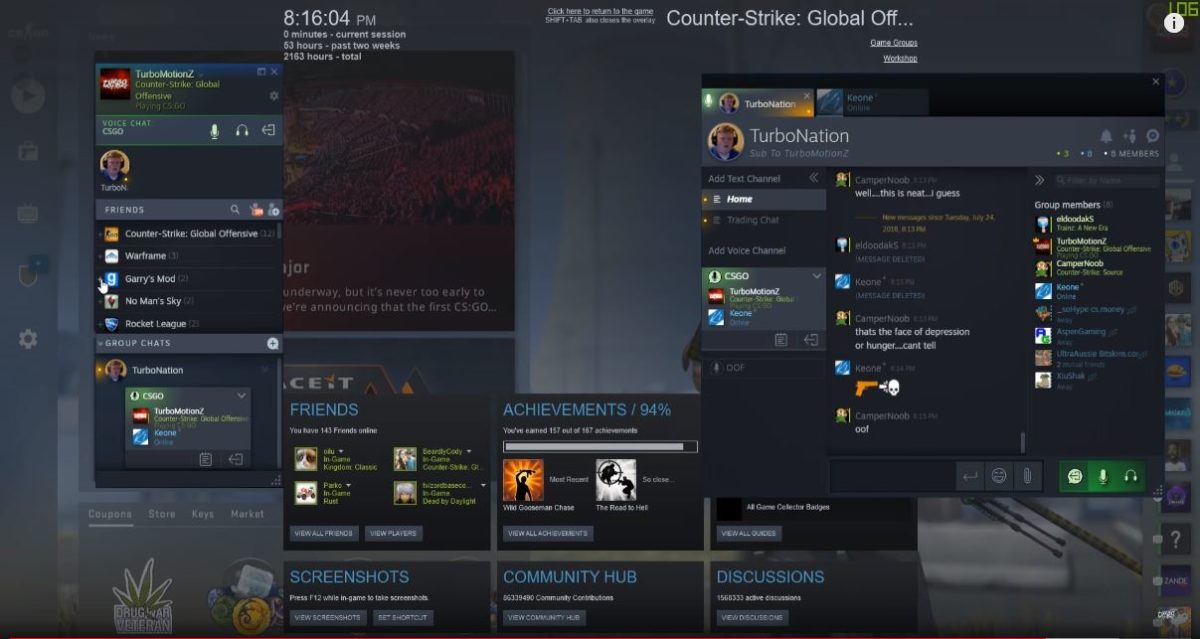
Epic’s own services make a stronger case when examined as a practical option instead of as ammunition in Sweeney’s public argument. Independent matchmaking, shared progression and communication that do not rely on one store can make an online game more resilient. In some projects, Valve’s tools will still be the cheaper and simpler route. The right choice depends on platform targets, staff, audience and technical needs.
Players should also be wary of turning competition policy into team sports. Supporting Steam’s customer features does not require defending every distribution rule. Welcoming Epic’s lower fees does not require accepting every accusation its CEO makes about Valve. The useful standard is whether developers have meaningful ways to reach players and whether those players can keep playing with friends regardless of which store receives their money.
The most valuable part of Steam may not be a payment processor at all. It may be the fact that, when you open it on Friday evening, three people you know are already online. No rival wins that loyalty with a press release. It has to make the next game night easier, and keep doing so until switching no longer feels like leaving people behind.
