
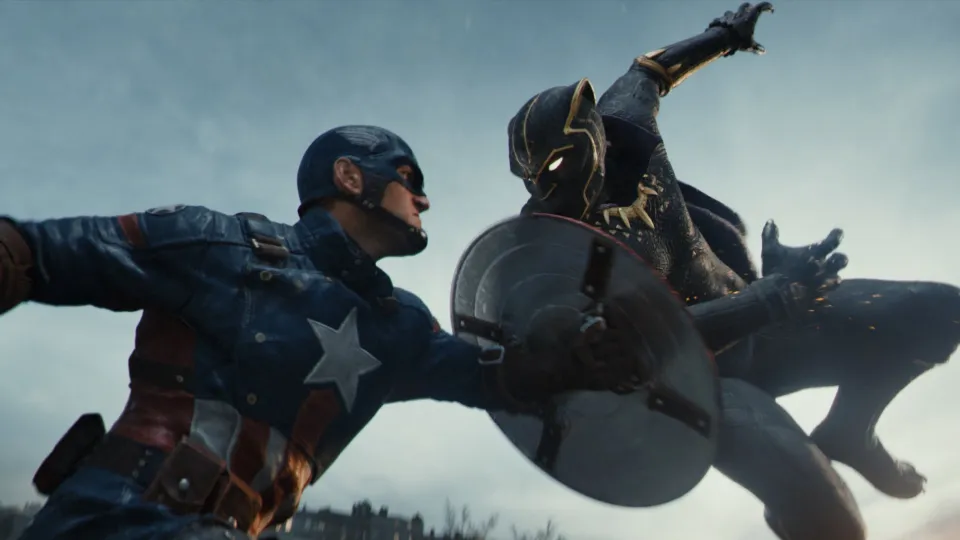
A cancellation rumour can travel around gaming social media faster than a studio can respond to it, and Marvel 1943: Rise of Hydra has just provided another example. Reports circulated this week that the delayed Captain America and Black Panther adventure was about to be cancelled. Reporting from Kotaku, based on an internal message to developers, says Skydance leadership told the team the claim was false. The project is still being worked on.
That should be welcome news to fans of Amy Hennig's cinematic games. It is not the same thing as a new release date, a public gameplay demonstration or a promise that the scope will remain unchanged. The story is more complicated than a simple 'cancelled' or 'saved' label, and the distinction is essential when so much of the discussion is based on anonymous reporting.
What Skydance reportedly told its staff
Kotaku reported seeing an internal Slack message from executive producer Lu Gigliotti. According to the account, Gigliotti said he had spoken directly to leadership and that the circulating cancellation claim was not true. The company was reportedly monitoring the rumours and considering how to address them. The message was a reassurance to people building the game, not a release schedule sent to customers.
Other reporting describes the team approaching another development milestone and continuing its work. These are status reports attributed to people familiar with the project, not a finished-build announcement. Readers should understand the level of confidence: there is reported internal communication contradicting cancellation, but Skydance has not simultaneously delivered a final release plan.
Why the game has been under scrutiny
Marvel 1943's presentation set expectations unusually high. Its first proper cinematic footage promised a period adventure where a younger Steve Rogers, a World War II-era Black Panther and their allies face Hydra in occupied Europe. The visual quality invited comparisons to prestige narrative games. The problem is that cinematic promise and the realities of building interconnected combat, traversal and story systems are very different things.
The game has undergone delays, and reports about cuts to its length or scope have complicated the conversation. Changes to the amount of content are not themselves confirmation that development has stopped. Large projects can reduce ambition to reach a shippable milestone; they can also struggle despite those reductions. Without a detailed statement from the developer, the sensible conclusion is that production continues amid uncertainty.
Who are the playable heroes?
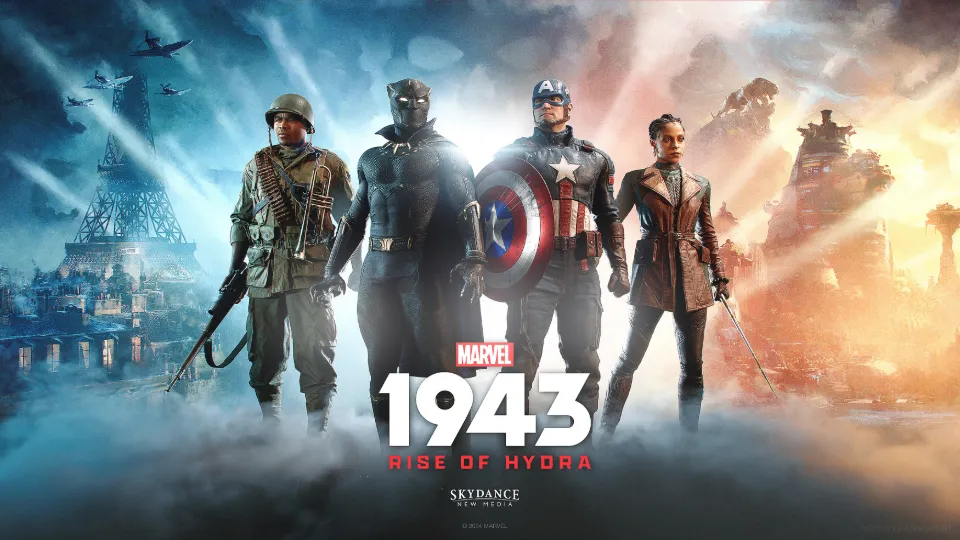
The game has been introduced as a Marvel adventure built around four central characters. Captain America and Azzuri, a wartime Black Panther, provide the most recognisable pairing. The wider cast includes a Wakandan operative and an American soldier linked to the Howling Commandos. Their presence suggests a story concerned with conflicting loyalties and perspectives as much as a straightforward contest between heroes and Hydra.
Those characters matter because Hennig's previous work is best remembered for relationships under pressure. Captain America and Black Panther are not natural allies in every scene, and a divided wartime setting creates space for mistrust before cooperation. That narrative potential is part of what keeps interest alive despite the lack of a firm launch date.
A cinematic trailer is not a gameplay benchmark
The publicly released scenes show strong character models and atmosphere, but they do not answer basic questions about moment-to-moment play. How often do players switch between the protagonists? Does stealth matter? How different are Cap's shield engagements from Black Panther's movement? Are levels mostly guided corridors, larger spaces or a mixture? Much of the game's appeal depends on the answers.
A new trailer with unbroken gameplay and visible interface details would be much more informative than another cinematic montage. It would also help readers judge technical performance rather than inferring a release window from polished character close-ups.
Is Marvel 1943 coming in 2027?
Public reporting has repeatedly suggested that the game is not a 2026 release, and some outlets have used 2027 as a possible future window. But the internal reassurance about cancellation did not establish a precise date. As of this report, no new publisher-confirmed day and month should be presented as final.
Similarly, platforms, editions and pricing should be sourced from current listings when those details are actually announced. Retail placeholder dates are not publisher statements. They frequently change and can make an uncertain production look more settled than it is.
What fans should watch for next
The next useful milestone would be an on-record Skydance update giving a current release window, followed by meaningful gameplay footage. Those two developments would show that the project has moved beyond reassurance and toward a communicable launch plan. Until then, the safest description is specific: development has not been cancelled according to internal leadership communication reported by Kotaku, but release timing and final scope remain unsettled.
Marvel 1943 still has a strong idea at its centre. A World War II adventure that makes Captain America and Black Panther uneasy partners could feel unlike the usual modern superhero game. Whether the finished work realises that promise will depend on the game players eventually get, not on the speed at which rumours spread.
