A terrible game idea has always been easy to explain to a friend. “What if a tiny knight delivered coffee to monsters on a collapsing train?” The hard part begins immediately afterward: movement, collisions, a camera, a win condition, a menu, sound, saving, polish and the thousand small fixes needed before anyone would want to play twice. Google wants to shorten the distance between that sentence and something running in a browser. Unity wants to turn the prototype into work a creator can actually develop.
Their October 7 announcement is ambitious, but the two products should not be confused. Google Playground has launched as an experiment that creates and shares browser-based games from text prompts. Unity Spark is the larger creation tool being developed with Unity. Its integration and expanded editor are not generally available yet; Unity is taking interest through a waitlist and testing the product ahead of a closed beta. Calling Spark a finished, publicly accessible game engine would be wrong.
The distinction matters because a prompt is not a game design document. It is a starting point. Google and Unity now have to prove they can build a system where the creator remains in charge after the first playable version appears.
What you can make in Playground today
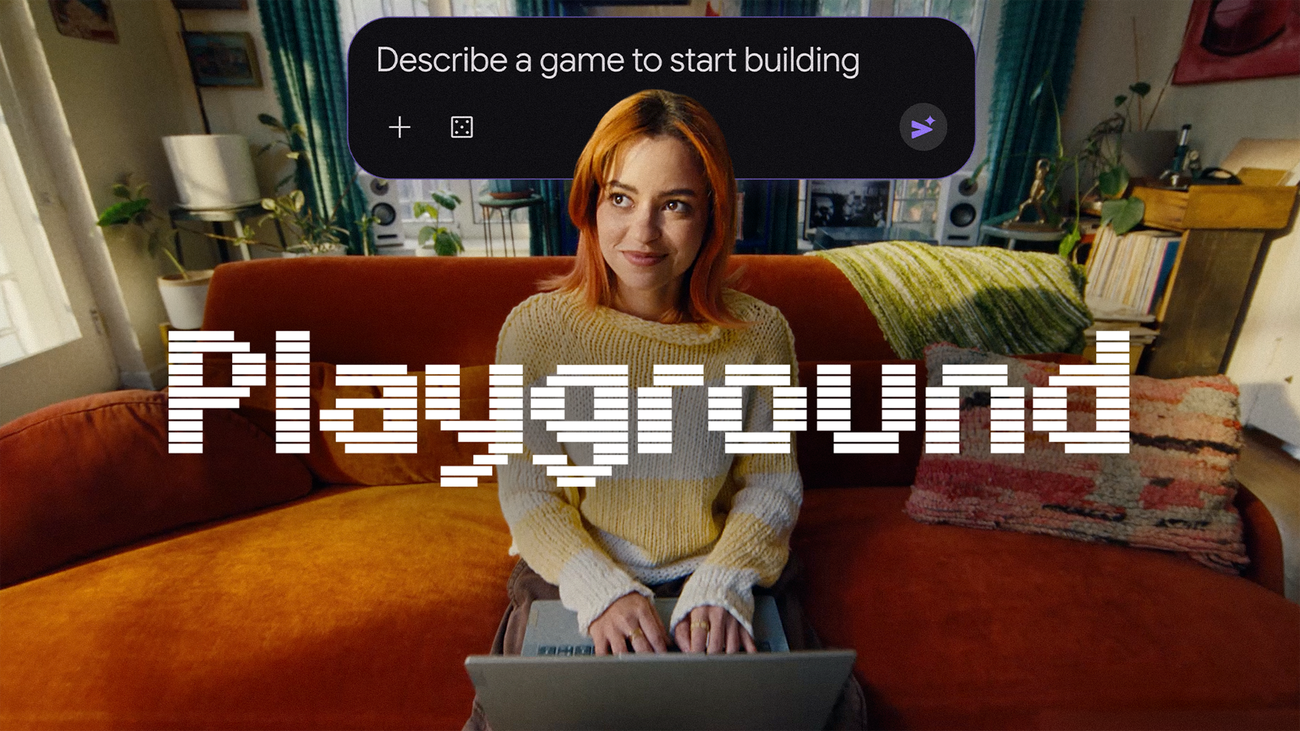
Google says a creator can begin from a blank project, adapt a starter prompt or follow a guided flow. You describe the game, play a version, and then ask the tool to change the rules, physics, characters or environment. A project can remain private, be shared through a link or enter the public Explore gallery. The platform supports leaderboards and multiplayer in selected game genres and uses Play Games profiles for identity and community features.
That last part is significant. A playground full of isolated experiments can become a graveyard of links. A playground where players return, compare scores, follow creators and invite friends has a chance to develop a real audience. Google is not merely trying to automate code. It is trying to build a social destination for short games, with creation built into the same place where people play.
Google also says published games undergo safety screening and can be reported. That is useful but not a promise of perfect moderation, copyright clearance or exploit-free software. More games mean more content to inspect. If creation becomes nearly effortless, discovery and quality control may become much harder. The company can lower the technical barrier without automatically solving what makes a game worth anyone’s time.
Why Unity is taking the longer route
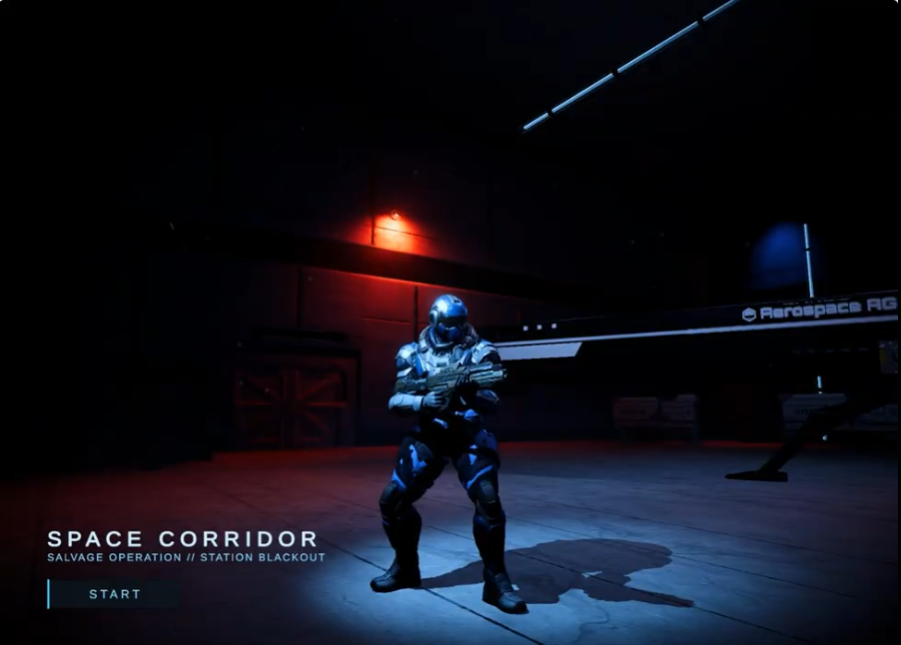
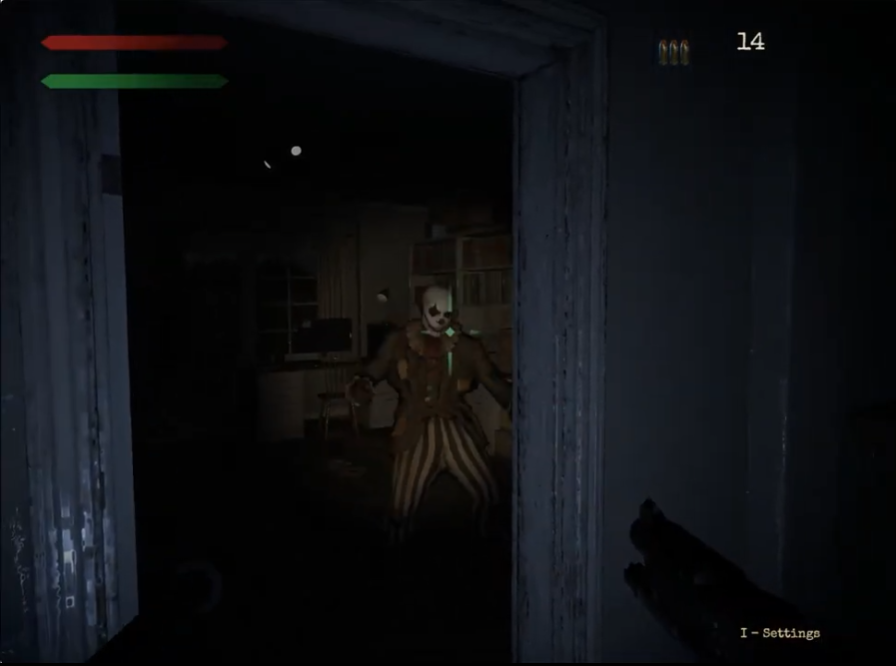
Unity Spark is supposed to add professional-level mechanics, more ambitious 3D projects and the Unity runtime. Its website currently shows playable concept examples, including a sci-fi shooter named Space Corridor. Unity’s chief executive Matt Bromberg has been unusually specific about what the product is not meant to be. In an October 7 essay, he argues against treating game development as a one-shot request that simply reproduces someone else’s creation.
A serious tool needs an answer to what happens after the output is imperfect. Can a designer adjust collision, remap controls, replace an asset, tune enemy behaviour, change a level’s pacing and understand what broke? That kind of iteration is the work. A machine that can generate a pretty environment but cannot keep a coherent project editable will frustrate developers much faster than it impresses them.
There is also an important business choice in Unity’s model. The company says Spark draws on artist-created assets from its Asset Store. That is not the same pitch as generating every texture and model from scratch. Existing artists could benefit if their work gets discovered and licensed through new creation workflows. But the announcement does not itself settle how revenue, usage permissions, attribution or long-term asset rights will work for every possible project. Those details deserve published terms, not speculation.
The actual limits matter more than the trailer
As of the launch, Google describes Playground as available to users aged 18 and over in the United States. Creation access is tiered by Google AI subscription, while eligible users can browse and play community games. The company has not provided a confirmed India-wide opening date in the material reviewed for this article. Indian readers should not assume the tool is available locally simply because a global product page loads.
Unity Spark’s wider distribution is also still a forward-looking plan. Unity has shown examples and opened a waitlist, but that is different from demonstrating a mature workflow for shipping a complex commercial title. Public pricing, commercial obligations and the precise extent of interoperability have to be checked against final product terms when Spark becomes available.
The question of ownership is particularly important for creators who want to do more than publish a throwaway experiment. Does the creator control the code and assets? Can a project be exported? What happens if the generation service changes its models or closes? Are assets obtained from a marketplace usable outside the service? Nothing in the October announcement is sufficient reason to promise unrestricted commercial rights across all such cases.
This is not a rejection of AI-assisted development. For someone who has never programmed, a working prototype could provide the first tangible feedback on an idea. For an experienced developer, it might help test three versions of a rule before spending a week on implementation. But speed is a tool, not an editorial judgement. It cannot decide whether a level is funny, fair, boring or offensive without a human choosing what matters.
The game is not the prompt
Google’s experiment makes a compelling opening statement: you should not need to spend six months learning an editor before testing a simple idea. Unity’s longer proposition is that the idea should not die the moment the prompt stops working. The strongest future version of these tools would treat generated work as material a creator can inspect and revise, not as a sealed box the AI owns.
The coming months will show whether Spark actually provides that control and whether Playground can turn a flood of tiny games into communities people care about. For now, one product is an American adult-user experiment and the other is still in testing. That is less magical than the marketing. It is also the useful truth for anyone thinking of building a game with either one.