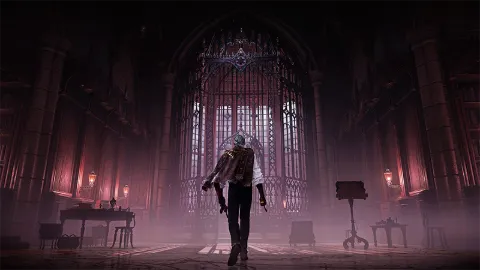
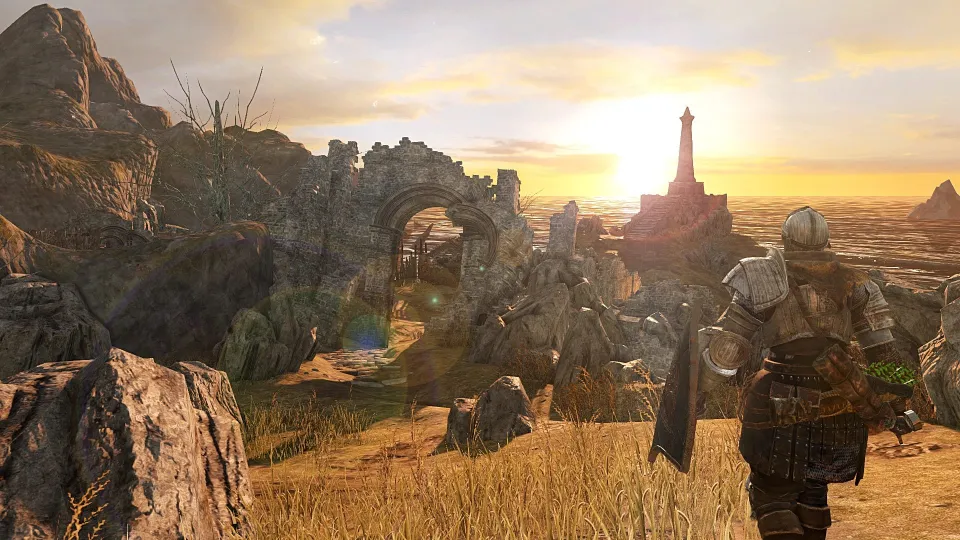
The messages on the floor, the strange silhouettes moving through your world and the possibility of being invaded by a stranger are back in Dark Souls II and Dark Souls III. FromSoftware announced on November 11 that online services for both games had been restored after a security-related shutdown lasting roughly 12 days. The notice covers all platforms. That ends an unusually disruptive outage for two games whose multiplayer systems are woven through the single-player experience rather than kept behind a separate menu.
The official update is short and precise: the company investigated the issue, applied a fix and resumed service. It did not publish a technical explanation of the security problem. For players who simply wanted to return to co-op or invasions, the most important point is that the restrictions have been lifted. For people worried about security, the fact that a fix has been applied is reassuring, but the absence of a detailed public explanation leaves questions unanswered.
What happened to the Dark Souls servers?
Both games went offline on October 30. FromSoftware later identified the disruption as security-related and did not offer a definite restoration date until the service returned. The shutdown affected the ability to use the games' online features, rather than removing the installed single-player campaigns. People could still travel through Drangleic or Lothric, fight bosses and make progress, but their worlds were missing an important layer of contact with other players.
The restoration was announced on November 11, approximately 12 days after the suspension. Reports from Japan and the official series website agree that the servers are available again across supported platforms. The notice does not claim the outage was caused by a particular exploit circulating in the community. It would be irresponsible to repeat unverified technical speculation as though the studio confirmed it.
Which online features should work again?
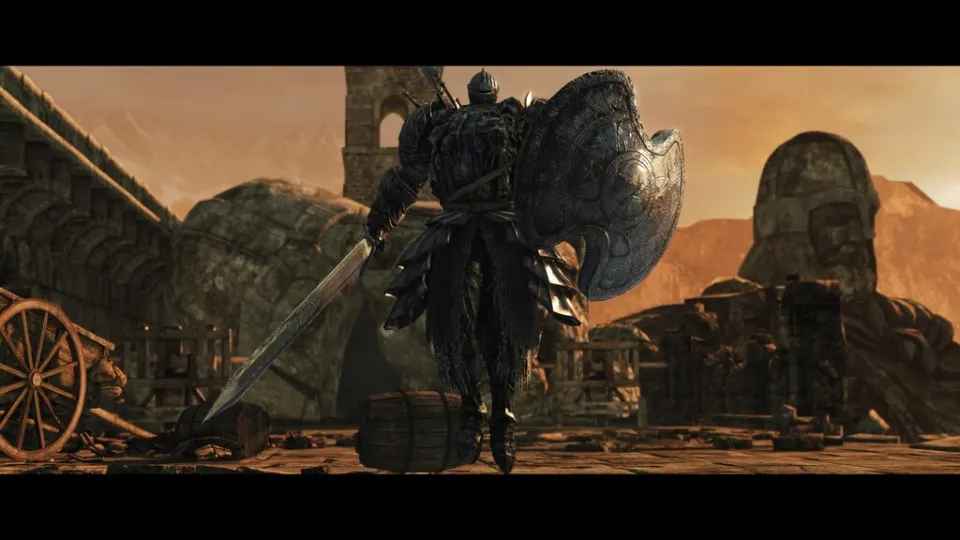
In Dark Souls, online play is not just a traditional lobby. There are summon signs for cooperative boss fights and invasions that let other players enter your world as opponents. Messages left behind can warn of a trap, offer genuinely useful advice or mislead you for a laugh. Bloodstains can show how someone else died. These small interactions are part of the games' atmosphere, and their absence changes how familiar places feel.
With service restored, players can return to co-op and competitive encounters, subject to each game's normal matchmaking rules and platform services. If you are trying to summon a friend, remember that passwords, soul level ranges, location restrictions and in-game items can affect connectivity even while servers are healthy. The announcement does not mean every connection problem has disappeared or that every console generation can play together.
How to check whether your own game is online
Start by making sure the game is updated and your platform account is signed into its network. On PC, restart Steam and the game after any pending download finishes. On PlayStation or Xbox, confirm that any subscription normally required for online multiplayer is active. Then look for the game's online status and try a familiar online interaction in an area where matchmaking is normally available.
Do not use the absence of summon signs in one quiet location as your only test. Dark Souls matchmaking depends on location, character level and activity. An inactive area can feel offline even when everything is functioning. If the game reports that it cannot connect to its servers, that is a more useful symptom to investigate than simply finding no player messages for a few minutes.
Why a security outage matters more than an ordinary maintenance window
Games with online multiplayer must receive data from other players and servers. That introduces a different risk from running a purely offline campaign. The developer has a responsibility to investigate suspected security faults before returning systems to service, particularly for older titles whose networking technology predates more recent practices. It is sensible that FromSoftware chose to suspend the affected services while looking into the issue.
Players are entitled to ask what went wrong and whether the problem could recur. At present, the public statement says the investigation and fix are complete but stops short of identifying the vulnerability, whether any accounts were affected or what additional protections were installed. Those unanswered questions should be listed as unknowns, not filled in with theories from social media.
The bigger issue is preserving the complete game
Dark Souls II and III are years old, yet their multiplayer communities have remained active enough that a nearly two-week outage became significant news. That speaks to how distinct their online design still feels. A helpful stranger can turn an impossible boss into a memorable shared victory; a hostile invader can transform a routine journey into a story of its own.
It also raises a preservation problem. Buying and installing a game does not guarantee that every feature will remain available indefinitely, especially when those features depend on servers operated by a company. The good news today is straightforward: FromSoftware has brought the online worlds back. The longer-term measure will be whether players can continue returning to these games without having a defining part of the experience quietly disappear.